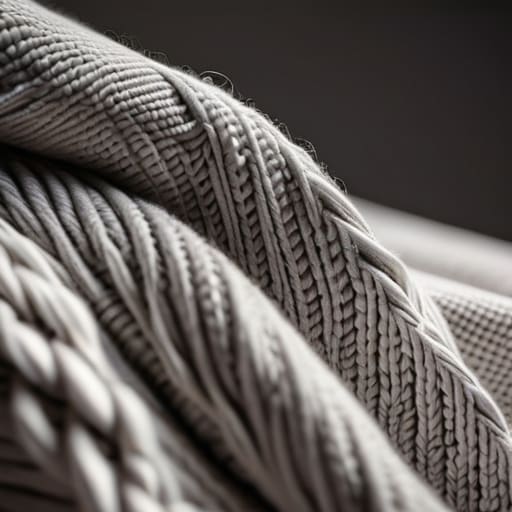
I remember sitting on the floor of my first shared studio, surrounded by half-printed blanks and a growing sense of pure frustration. I had just spent a ridiculous amount of money on what the supplier promised was “premium” fleece, only to realize the inside felt like sandpaper and the structure was completely non-existent. It’s the same old story in this industry: brands slap a high price tag on a garment and hope you don’t notice that the french terry and loopback construction is actually incredibly flimsy. They sell you the aesthetic, but they never talk about the actual knit density or how those loops are going to behave after you’ve washed them five times.
I’m not here to tell you what’s “in” this season or which influencer is wearing what. My goal is to pull back the curtain on the technical stuff that actually matters, from real GSM weights to how a tight loopback affects the drape of a hoodie. I want to give you the tools to look at a fabric swatch and know exactly what you’re paying for. We’re going to talk about construction, not marketing, so you can stop wasting money on clothes that fall apart before the season even ends.
The Truth About Loopback Knit Characteristics and Drape
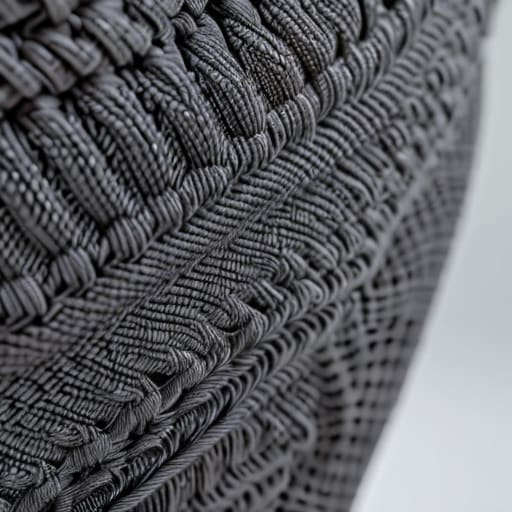
When you’re holding a piece of loopback fabric, you can usually tell immediately if it’s going to hold its shape or just turn into a sad, shapeless rag after one wash. The real magic—and the real struggle—is in the loopback knit characteristics that dictate how the garment actually sits on your body. Unlike a standard cotton jersey vs french terry comparison, where the jersey is just a flat, single-knit surface, loopback has that structural dimension on the underside. This isn’t just for “comfort”; those loops create a specific kind of tension that affects the drape. If the loops are too loose or the yarn is low-quality, the fabric will sag in all the wrong places, especially around the shoulders and hem.
I always look at how the loops interact with the face of the fabric. In high-quality textile manufacturing processes, the tension should be consistent so the weight feels even. If you get a blank where the loops are uneven, you’re going to deal with weird twisting and a silhouette that looks completely off once it’s actually cut and sewn. I’m not looking for something that feels like a cloud; I’m looking for a fabric that has enough substance to actually behave like a garment.
Why Fabric Weight and Texture Dictate Your Margins
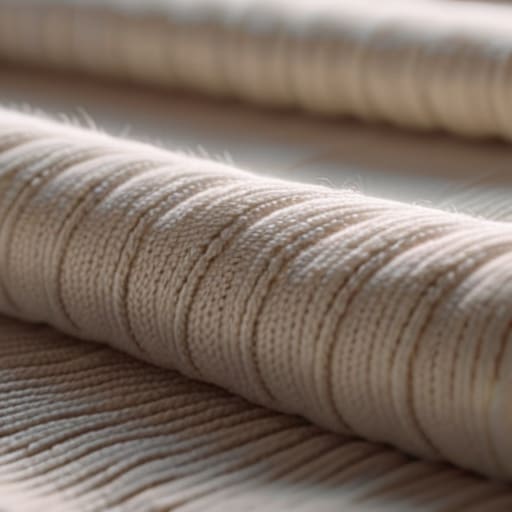
If you’re looking at a tech pack and only seeing a single number for weight, you’re missing the entire point of why your production costs are spiraling. I’ve seen so many small labels try to bridge the gap between cotton jersey vs french terry without realizing that the structural difference alone changes your entire math. A lightweight jersey is easy to source, sure, but if you’re aiming for that premium, heavy-set streetwear feel, you have to account for how the density of the knit affects your cutting yield. You aren’t just paying for the raw fiber; you’re paying for the density of the knit that keeps a garment from looking like a limp rag after one season.
It’s a massive mistake to treat fabric weight and texture as an afterthought in your margins. When you opt for a heavier loopback, you’re inherently dealing with more shrinkage and a different tension during the sewing process. If you don’t bake those textile manufacturing processes into your initial costings, those “saved” cents on a cheaper blank will come back to haunt you through high return rates and unhappy customers.
Stop guessing: 5 things I check before I ever commit to a sample
- Don’t just trust the “heavyweight” label; pull the fabric apart. If you’re looking at a high GSM French terry, the loops on the back should feel dense and consistent, not patchy or loose. If the loops are sparse, that weight is just air, and it’s going to lose its shape after two cycles in a dryer.
- Check the loop tension. I’ve seen so many “premium” loopback blanks where the loops are so long they actually snag on everything. You want a tight, uniform knit on the interior. If the loops look like they’re begging to get caught on a zipper, they’re going to pill and look like garbage in a month.
- Look at the seam allowance and the edge stability. French terry can be finicky because of that looped texture. If the manufacturer isn’t using a proper overlock or if the tension is too high, the fabric will pucker at the seams. A beautiful drape means nothing if the garment looks like it’s twisting around your body.
- Test the “recovery” of the knit. Grab a handful of the fabric, squeeze it hard, and let go. Does it bounce back, or does it stay crinkled and sad? A good loopback should have enough structural integrity to hold its form. If it feels limp in your hands, it’s going to look limp on a person.
- Inspect the face vs. the back. I always turn my garments inside out first, and I do the same with samples. If the loopback side feels significantly different in quality or density than the face side, the fabric is unbalanced. You want a cohesive knit, not a cheap face glued to a flimsy loopback.
The stuff you actually need to remember
Stop chasing the “heavyweight” hype without checking the loop density; a high GSM means nothing if the loopback construction is loose and prone to losing its shape after one wash.
Your margins live or die in the details—if you buy cheap, thin terry to save a few cents upfront, you’re going to spend all your profit handling returns from customers who realized the drape is garbage.
Always flip the garment inside out first; the real quality of a piece isn’t in the graphic on the front, it’s in how consistent those loops are and how they interact with the seam allowance.
Frequently Asked Questions
If I’m printing heavy graphics, should I stick to a tighter loopback to prevent the ink from sinking too deep into the texture?
Honestly, yes. If you’re running heavy plastisol or thick discharge, a loose, shaggy loopback is your worst enemy. The ink is going to dive straight into those valleys, leaving your graphic looking patchy and “sunken.” I always recommend a tighter, more compact loopback for heavy prints. It gives you a flatter, more consistent surface so the ink sits on top where it belongs, rather than disappearing into the knit.
How can I tell if a "heavyweight" French terry is actually high quality or just a cheap, bulky knit that’s going to lose its shape after a month?
Look, “heavyweight” is a marketing term, not a quality standard. A 400 GSM fleece can still feel like cardboard if the fiber length is trash. Don’t just feel the bulk; check the recovery. Give the fabric a sharp tug—if it doesn’t snap back instantly, it’s going to bag out at the elbows by Tuesday. Also, turn it inside out. If those loops look loose or uneven, it’s just cheap filler that’ll pill immediately.
Is it actually worth paying the premium for a high GSM loopback, or am I just paying for the marketing hype around "luxury" loungewear?
Look, if you’re buying a 450 GSM loopback just because a brand slapped a “luxury” tag on it, you’re probably getting fleeced. But if that weight means the knit density is high enough to actually hold its shape after a month of heavy wear, then yeah, it’s worth it. I’ve seen “premium” sweats go limp after two washes because they skimped on the yarn quality. Don’t pay for the hype; pay for the structural integrity.