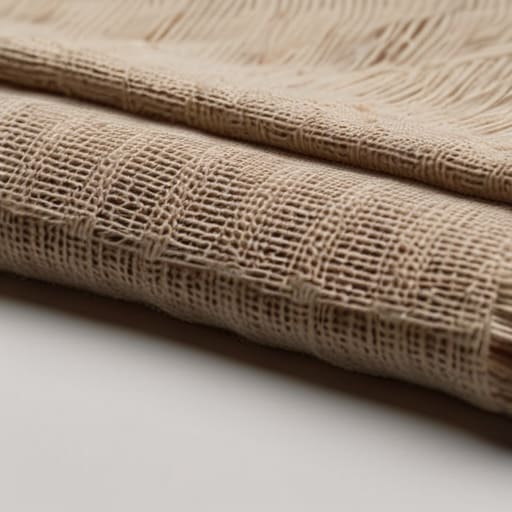
I remember sitting on the floor of my first shared studio, surrounded by half-printed tees and a mountain of “premium” blanks that arrived looking nothing like the samples. I’d spent my entire small production budget on what the supplier called “luxury weight,” only to realize the second I held them up to the light that they were basically translucent. It was a gut punch. Most people think they can just eyeball a garment to see if it’s high quality, but if you aren’t actually understanding fabric weight through the lens of GSM, you’re just gambling with your bank account.
I’m not here to sell you on some vague “streetwear aesthetic” or tell you which brand is trending on TikTok this week. Instead, I’m going to strip away the marketing fluff and give you the actual mechanics of how much mass is packed into those fibers. We’re going to talk about why a heavy fleece behaves differently than a lightweight jersey and how to pick materials that actually last through fifty washes. Consider this your no-nonsense guide to the numbers that actually matter.
The Real Cost of Oz Per Square Yard vs Gsm
Here is where things get messy for most people starting out. You’ll see some suppliers talking in ounces (oz) and others using grams per square meter (GSM), and if you aren’t careful, you’re going to miscalculate your entire production run. It’s essentially the same measurement, just different languages, but the math can trip you up when you’re trying to figure out if a shirt is going to feel premium or like a cheap giveaway. When you’re comparing oz per square yard vs gsm, just remember that a higher number means more physical material is packed into that space.
I’ve seen so many people order what they think is a heavyweight blank, only to realize the textile density and opacity are non-existent once the light hits it. If you’re looking for that structured, boxy streetwear fit, you cannot afford to guess. A low GSM might look fine on a screen, but it’ll drape like wet tissue paper on a real body. Don’t get caught in the middle of a conversion error; always check the specific density so you aren’t left with a pile of see-through, flimsy scraps.
Decoding Textile Density and Opacity for Your Brand
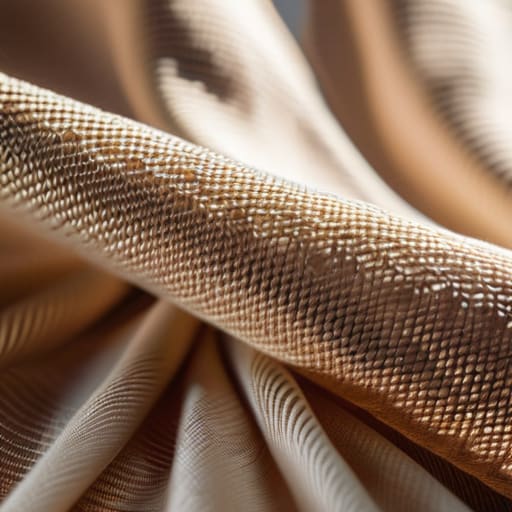
Once you’ve got the math down, you have to actually look at how the knit behaves. This is where textile density and opacity become your best friends or your worst enemies. If you’re looking at a “premium” heavyweight tee but the light shines straight through the chest when you hold it up, you’ve been sold a lie. A high GSM doesn’t automatically mean a garment has a structured, expensive feel; it just means there’s more fiber there. If the weave is loose, you’re basically just wearing a heavy, expensive screen door.
I always tell people that choosing fabric for garment drape is just as vital as the weight itself. A heavy French Terry might hang beautifully for a structured hoodie, but if you try to use that same density for a flowy summer top, you’re going to end up with something that looks like a stiff piece of cardboard. You have to balance that weight against how the fabric wants to move. If you don’t respect the relationship between density and movement, you’ll end up with a collection that looks good on a hanger but feels awkward on a human body.
How to actually test weight without a lab coat
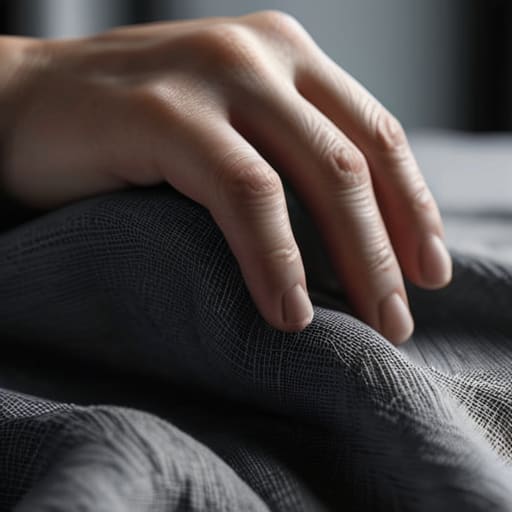
- Don’t just trust the tech pack; grab a sample and do the light test. Hold it up to a window—if you can see the outline of your hand through it, that “heavyweight” claim is probably a lie.
- Feel the drape, not just the thickness. A high GSM doesn’t always mean a better shirt; sometimes a heavy fabric is so stiff it wears like cardboard, which is a nightmare for anyone actually trying to move in it.
- Check the recovery. Take a piece of the fabric, stretch it hard, and let go. If it doesn’t snap back immediately, the weight is being carried by cheap, loose fibers that are going to lose their shape after two washes.
- Compare the weight to the seam. If you’re looking at a heavy 300 GSM jersey but the seams look flimsy or puckered, the fabric weight is basically just masking poor construction. It’s a red flag for a bad blank.
- Wash a swatch before you commit. Some fabrics feel substantial when they’re fresh off the roll, but if they shrink or lose their density after one cycle, you’ve just bought a very expensive pile of rags.
The TL;DR on not getting scammed by your blanks
Stop letting brands hide behind “oz” measurements to confuse you; learn to read the GSM so you actually know if you’re buying a heavyweight staple or a glorified undershirt.
High density isn’t just about feeling “expensive”—it’s the difference between a garment that holds its shape after three washes and one that turns into a shapeless rag.
Always check the opacity against the weight; a high GSM doesn’t always guarantee a premium feel, but a low GSM almost always guarantees your customers will see right through it.
Frequently Asked Questions
If I'm looking for that heavy, structured streetwear feel, what's the actual minimum GSM I should be hunting for?
If you’re chasing that heavy, boxy streetwear silhouette that actually holds its shape, stop looking at anything under 240 GSM. For that truly premium, “don’t-care-how-many-times-I-wash-this” structure, you really want to be hunting in the 300 to 400 GSM range. Anything lighter is just going to drape like a standard undershirt, and you’ll lose that intentional, architectural vibe that makes streetwear actually feel like design rather than just a printed tee.
Can a high GSM fabric still feel cheap or scratchy, or is weight always a guarantee of quality?
Absolutely not. Honestly, don’t let a high GSM fool you into thinking you’ve found gold. You can have a heavy, 400 GSM fleece that feels like sandpaper if the fiber quality is trash or the finishing is rushed. Weight is just mass; it doesn’t account for yarn twist, staple length, or how the fabric was treated. A heavy blank can still be stiff and lifeless. Always touch the hand-feel before you commit.
How much does the actual fiber content—like cotton versus a poly blend—mess with how the weight actually sits on the body?
Here’s the thing: weight isn’t just a number on a spec sheet; it’s how the fabric behaves. A heavy 100% cotton blank has that structural, “armor-like” drape that holds its own shape. But if you swap that for a poly-blend with the same GSM, it’s going to feel limp. Polyester is lighter and more elastic, so it tends to cling or sag rather than hang. Don’t let a high GSM trick you into buying a blend that just feels mushy.