
I was sitting in my studio last week, surrounded by half-finished patterns and scraps of heavy-weight jersey, staring at a pair of boots that looked more like dried-up beef jerky than actual footwear. I’d spent way too much money on them, thinking the “premium” tag meant they were invincible, only to realize I’d been lied to by every shiny marketing campaign in the book. Most people think leather care basics involve buying a dozen different $30 branded sprays that promise “miracle shine,” but honestly? Most of that is just expensive scented water designed to separate you from your cash.
I’m not here to sell you on some magic elixir or a complicated ten-step ritual that requires a degree in chemistry. My goal is to strip away the fluff and talk about what actually matters: the integrity of the hide and how to keep it from cracking. I’m going to walk you through the real, grit-under-your-fingernails version of leather care basics, focusing on things like moisture retention and pH balance rather than the hype. If you want to learn how to actually maintain your gear instead of just performing a ritual, this is for you.
Why Natural Leather Care Products Beat Synthetic Coatings
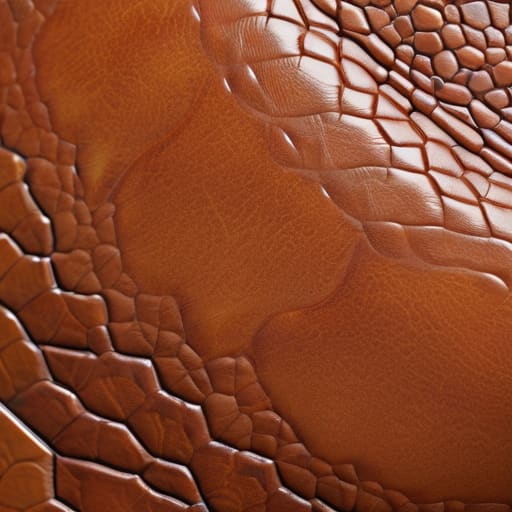
Look, I’ve spent enough time around heavy-duty textile machinery to know that if you coat something in a layer of cheap, silicone-based “protection,” you’re basically just suffocating it. Synthetic sprays might feel like they’re doing something in the moment, but they create this plastic-y film that sits on top of the grain rather than soaking in. It’s a bit like trying to moisturize your skin with wax; it looks shiny for a week, but underneath, the actual fibers are still starving for hydration.
When you opt for natural leather care products, like high-quality neatsfoot oil or beeswax blends, you’re actually feeding the hide. These products penetrate the pores, which is the only real way of preventing leather cracks down the line. Instead of a superficial barrier that eventually flakes off and leaves you with a mess, a proper oil-based treatment works with the organic structure of the material. If you’re building a solid leather maintenance routine, you want products that respect the chemistry of the skin, not something that turns your favorite jacket into a stiff, synthetic shell.
The Science of Preventing Leather Cracks Through Hydration
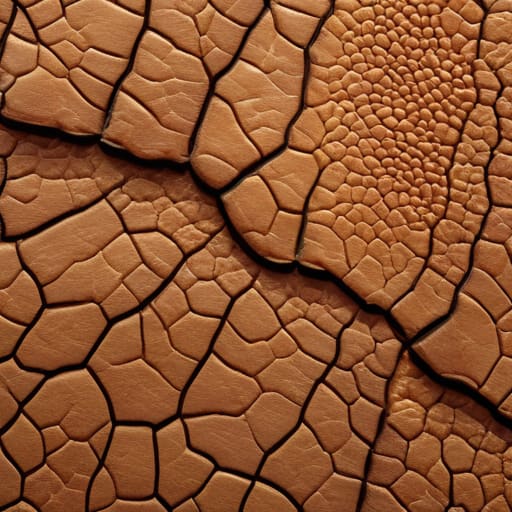
Look, I’ve spent enough time staring at the grain of different hides to know that leather isn’t just a surface; it’s a biological structure that’s essentially drying out the moment it leaves the tannery. When we talk about preventing leather cracks, we aren’t just talking about aesthetics. We’re talking about the structural integrity of the fibers. If those fibers lose their internal moisture, they become brittle, snap, and create those deep, ugly fissures that no amount of fancy polish can hide. It’s like trying to fix a dried-out sponge by just painting the outside—it doesn’t work.
To actually keep things supple, you need to understand that your leather maintenance routine is basically a hydration cycle. You aren’t just “coating” the item; you are replenishing the oils that keep those collagen fibers sliding past each other instead of grinding into dust. This is why I’m always preaching about using the best leather conditioner types—usually those based on lanolin or beeswax—rather than anything that feels like heavy petroleum jelly. You want something that actually penetrates the pores, not something that just sits on top like a cheap screen print on a low-GSM tee.
Stop treating your leather like a piece of plastic
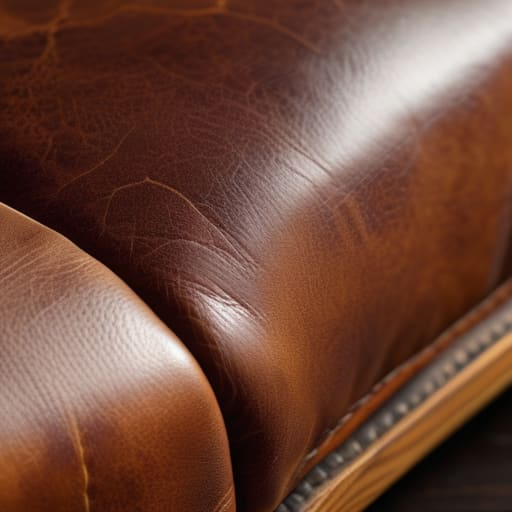
- Ditch the cheap supermarket conditioners; if the ingredient list looks like a chemistry textbook full of silicone, it’s just going to clog the pores and leave you with a greasy mess that can’t breathe.
- Test every single product on a hidden spot first, because I’ve seen way too many people ruin a perfectly good vintage jacket by trying to “fix” it with a cream that completely changes the color.
- Less is actually more when it comes to hydration—if you over-apply conditioner, you aren’t making it “extra soft,” you’re just creating a magnet for dust and grit that will eventually act like sandpaper on the grain.
- Watch your environment more than the leather itself; extreme heat or direct sunlight will dry out the natural oils faster than any expensive balm can put them back in, so keep your pieces in a cool, ventilated space.
- Learn to recognize the difference between a “patina” and actual damage; a little bit of character and darkening is what makes high-quality leather worth the investment, so don’t panic just because it doesn’t look brand new anymore.
The bottom line on keeping your gear alive
Stop looking for a “miracle cure” in a spray bottle; real maintenance is about consistent, subtle hydration that respects the grain rather than suffocating it under a layer of cheap silicone.
If you can’t tell the difference between a high-quality vegetable-tanned leather and a plastic-coated split, you’re probably going to end up stripping the life out of your pieces with the wrong cleaners.
Treat your leather like a textile, not a piece of furniture—it needs to breathe and move, so prioritize products that sink into the fibers instead of just sitting on top making things look shiny for five minutes.
Frequently Asked Questions
Is it actually worth buying expensive specialty creams, or can I just use something basic like lanolin?
Look, I get the temptation to just grab a tub of lanolin and call it a day—it’s cheap and it’s a fat, right? But here’s the thing: leather isn’t just a sponge. If you use something too heavy or unrefined, you risk clogging the pores or, worse, altering the pigment. I’d rather spend the extra few quid on a balanced specialty cream that respects the pH balance than risk ruining a decent jacket with a DIY hack.
How do I know if I'm over-hydrating the leather and actually ruining the grain?
Look, it’s easy to think “more is better,” but you can absolutely drown your leather. If the surface feels tacky or looks unnaturally dark and “wet” even after it’s dried, you’ve gone too far. Over-hydrating basically turns the fibers into mush, which ruins the structural integrity and makes the grain go limp. If it feels greasy rather than supple, stop immediately. Less is always more when you’re trying to preserve the actual architecture of the hide.
If I have a piece with a heavy wax coating, does traditional conditioning even work, or am I just wasting my time?
Honestly? If you try to slather a heavy wax jacket in traditional cream conditioner, you’re basically just making a greasy mess. Those waxes are there to create a barrier, and the oils in standard conditioners can’t really penetrate that layer to reach the fibers underneath. You’re just wasting good product. For waxed pieces, stick to specialized wax re-proofing sprays or bars. It’s about maintaining that specific finish, not forcing moisture through a wall.