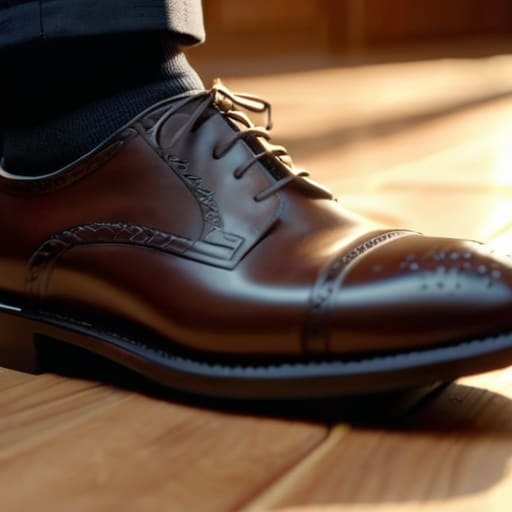
I remember sitting on the floor of my first shared studio, surrounded by half-printed tees and a mounting sense of frustration because I couldn’t figure out why my own proportions felt so off. It wasn’t just the clothes; it was the realization that most of what we buy is designed for a generic, impossible silhouette that doesn’t actually exist in the real world. We’ve been conditioned to think that if a pair of kicks looks fire on a mood board, we should just “break them in,” but that is a total lie. Most people are out here struggling with shoe sizing and width because they’re trying to force their actual anatomy into a marketing fantasy, and frankly, it’s exhausting to watch.
I’m not here to talk to you about which brand is “trending” on your feed or which celebrity is wearing what. Instead, I want to pull back the curtain on the actual geometry of your foot. I’m going to break down how to stop guessing and start measuring, because understanding the real relationship between volume and scale is the only way to stop wasting money on footwear that ends up as a glorified paperweight in your closet.
Mastering the Foot Measurement Guide for Footwear
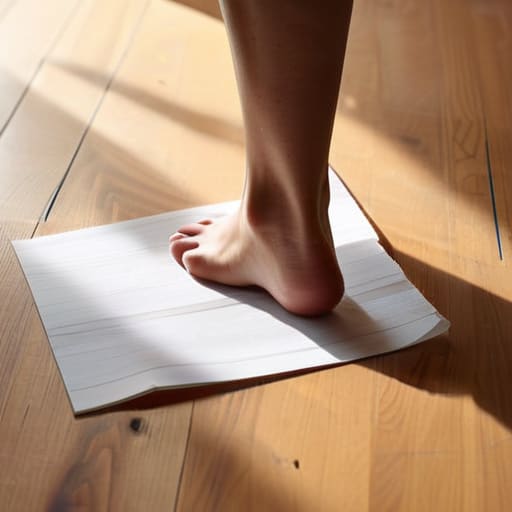
Look, most people treat a size chart like a suggestion rather than a blueprint, and that’s exactly why you end up with that “pinched” feeling halfway through a walk. If you want to actually get this right, you need a proper foot measurement guide for footwear that doesn’t rely on guesswork. Grab a piece of paper, a pencil, and trace your foot while standing—not sitting, because your weight actually shifts your shape when you’re upright. I’ve seen so many people try to guess their size based on a brand they liked once, but ignoring the actual millimeter difference between your heel and your ball is a recipe for wasted money.
When you’re learning how to measure foot width at home, don’t just focus on the length. The widest part of your foot—the metatarsal heads—is where the real struggle happens. If you find yourself constantly squeezing into standard shapes, you might need to start understanding shoe width letters like D, E, or 4E. It’s not about “buying a bigger size” to get more room; that just ruins your arch support and makes you trip. You need the volume, not just the length.
How to Measure Foot Width at Home With Precision
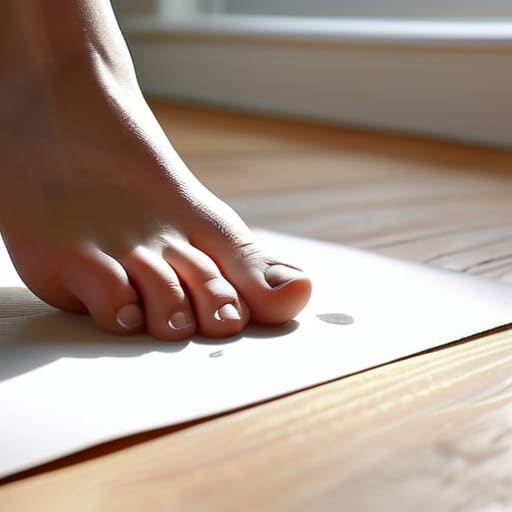
Look, you don’t need a professional podiatrist’s kit to get this right, but you do need to stop using a standard ruler and eyeballing it. If you want to master how to measure foot width at home, grab a piece of paper, a pencil, and a firm surface. Trace your foot—I mean, actually trace the outline, don’t just hover over it—and make sure you’re doing this while standing up. Your weight shifts your foot shape, and if you measure while sitting, you’re basically setting yourself up for a cramped toe box later.
The most important part isn’t the length; it’s the widest point of your metatarsals. Once you have that trace, measure the distance between the widest points of your foot. This is where people usually trip up. If your measurement falls into that awkward middle ground, you’ll need to start understanding shoe width letters like D, EE, or 4E to avoid the dreaded “pinch.” Don’t just guess; if the numbers don’t align with the brand’s specific scale, you’re going to end up with a pair of shoes that looks great but feels like a torture device.
Stop guessing and start measuring: 5 ways to avoid a total fit disaster
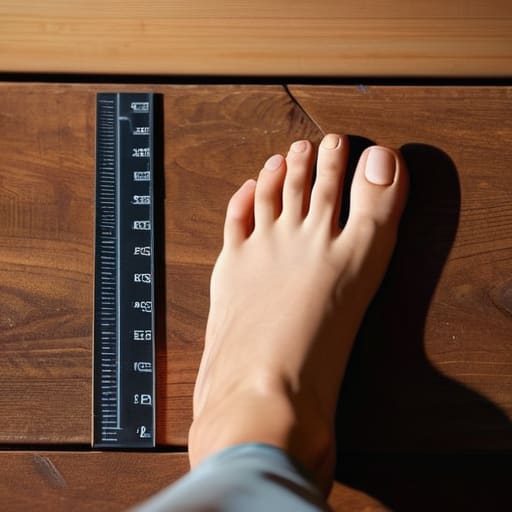
- Stop relying on that “standard” size chart from the brand’s website; they’re usually just a marketing tool to minimize returns, so always compare their specific millimeter measurements to your actual foot width.
- Measure your feet at the end of the day when they’ve actually swollen a bit, because if you buy based on your morning foot size, you’re basically signing up for a blister marathon by 4 PM.
- Pay attention to the “volume” of your foot, not just the width—if you have high arches, a wide shoe might still feel like a torture device if there isn’t enough vertical space for your foot to sit naturally.
- Don’t be afraid of the “thumb rule” for length, but remember that a little wiggle room in the toe box is non-negotiable; if your toes are hitting the front of the shoe, that’s not a “snug fit,” it’s a broken nail waiting to happen.
- Look past the hype of a specific silhouette and check if the last (the actual mold the shoe is built on) is naturally narrow or wide, because even the best leather in the world won’t save you if the shape is fundamentally wrong for your foot.
The TL;DR on not wasting your money
Stop guessing based on your “usual” size; your feet change shape throughout the day, so measure them when they’re at their largest (usually evening) to avoid that mid-afternoon pinch.
Width is just as important as length—if the volume of the shoe doesn’t match your foot, you’re looking at wasted money and a one-way ticket to blisters.
Ignore the hype and look for the actual measurements; a brand’s “standard fit” is a marketing term, but millimeters and centimeters are the only things that actually tell you if the shoe will fit.
Frequently Asked Questions
If I’m stuck between two widths, should I size up the length or just go for the wider fit?
Look, I’ve seen so many people ruin a perfectly good pair of kicks because they prioritized length over volume. If you’re caught in that awkward middle ground, go for the wider fit. If the shoe is a bit long, you can always fix that with a thicker insole or some heel grips, but you can’t magically engineer more room if your pinky toe is being crushed against the lateral side. Don’t sacrifice your feet for a silhouette.
Does the material of the shoe—like heavy leather versus canvas—actually change how much I need to account for width?
Absolutely. If you’re wearing stiff, heavy-duty leather, that width is basically set in stone; it won’t “give” much, so if it pinches now, it’ll pinch forever. Canvas is a different beast entirely—it’s forgiving and stretches to accommodate your foot shape over time. I always tell people: don’t treat a leather boot and a canvas slip-on with the same math. One is a structure, the other is a second skin.
Why do some brands claim to be "true to size" when my feet feel completely different in their width guides?
Because “true to size” is usually just a marketing safety net, not a technical standard. Most brands use a generic last—the wooden form a shoe is built around—that assumes everyone has a standard arch and midfoot volume. They’re optimizing for the “average” foot to keep return rates low. But if their last is narrow and your foot has any real width, that “true to size” label is basically a lie. It’s just sloppy manufacturing.