
I was hunched over a heavy-duty screen printing press in a cramped, humid studio last summer, trying to pull a decent print on what was supposed to be a “premium” organic cotton blank. Instead, I was staring at a fabric that felt more like recycled paper and had a weave so loose it practically disintegrated under the squeegee. It’s the same lie we keep getting fed: that buying a slightly more expensive “eco-friendly” tag automatically offsets the damage. The truth is, marketing teams have become masters at hiding the environmental cost of clothing behind vague buzzwords while the actual construction remains absolute garbage.
I’m not here to lecture you on high-level climate statistics or sell you on some overpriced “sustainable” capsule collection that’ll fall apart after three washes. I want to talk about the stuff that actually matters—the GSM, the stitch density, and why a poorly constructed seam is just future landfill waiting to happen. I’m going to show you how to spot real craftsmanship from a mile away so you can stop wasting money on clothes that are designed to fail.
Fast Fashion Sustainability Issues Why Cheap Blanks Fail

When you’re looking at a $5 blank, you aren’t just seeing a bargain; you’re seeing a massive shortcut in the supply chain. Most of these ultra-cheap pieces are made from low-grade polyester blends that are essentially plastic masquerading as fabric. Every time you wash one of these “bargain” tees, you’re shedding microplastics from synthetic fabrics directly into our water systems. It’s a cycle of disposability that’s baked into the very fiber of the garment.
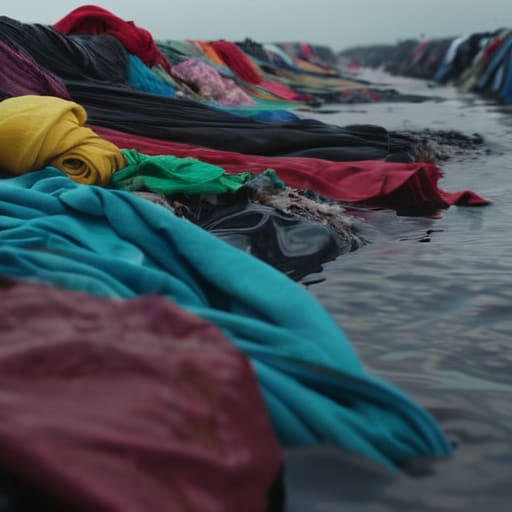
Beyond the material itself, the sheer scale of production is what keeps me up at night. We aren’t just talking about a bit of extra energy use; we are talking about a massive carbon footprint of garment production that scales exponentially when brands prioritize volume over everything else. When these garments inevitably lose their shape after three washes—because, let’s be real, the seam allowance was non-existent and the tension was off—they don’t get repaired. They end up as textile waste in landfills, where they’ll sit for centuries. If we want to actually fix this, we have to stop treating clothes like single-use plastics.
The Carbon Footprint of Garment Production and Poor Construction
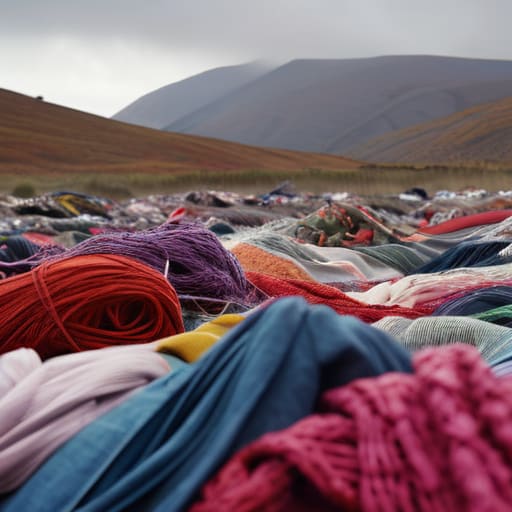
When we talk about the carbon footprint of garment production, everyone wants to point at the shipping containers and the planes, but we need to look closer at the actual build. If a garment is constructed poorly—I’m talking about uneven tension in the stitching or a cheap, unstable knit—it’s basically designed to fail. When a shirt loses its shape after three washes because the manufacturer cut corners on the grainline, it’s headed straight for the bin. This cycle of “buy, wear, discard” is what fuels the massive amount of textile waste in landfills that we see piling up globally.
It’s not just about the waste, though; it’s the energy-intensive mess of making stuff that isn’t meant to last. A lot of these low-tier blanks rely heavily on polyester blends, which means you’re also dealing with microplastics from synthetic fabrics every single time you run a laundry cycle. We’re essentially paying to accelerate a system that prioritizes speed over structural integrity. If we actually cared about the planet, we’d stop obsessing over how many new drops we can get per week and start asking if the seam allowance is even wide enough to survive a single season.
How to Stop Throwing Your Money (and the Planet) Down the Drain
- Stop chasing the micro-trend cycle. If a shirt is designed to look “aesthetic” for exactly three weeks before it feels dated, it’s garbage. Buy pieces with actual structural integrity—think heavy GSM and reinforced seams—so they stay in your rotation for years, not just one season.
- Read the care labels like they actually matter. Most people treat their clothes like they’re indestructible, but high-heat drying is basically a slow death sentence for fibers. Wash cold, air dry when you can, and stop treating your favorite vintage finds like they’re gym rags.
- Learn the difference between “recycled” marketing and actual circularity. Just because a brand slaps a green leaf on a polyester blend doesn’t mean they aren’t still pumping out microplastics every time you wash it. Look for mono-materials—100% cotton or 100% wool—because they’re actually easier to recycle later.
- Master the basic repair before you bin it. I learned pattern cutting because I was tired of seeing good fabric go to waste just because of a popped seam or a tiny tear. A quick stitch or a patch can extend a garment’s life by years; don’t let a single loose thread be the reason something hits a landfill.
- Demand transparency over “drops.” When a brand announces a new collection every single week, they aren’t being “innovative,” they’re overproducing. I’d much rather see a brand release one perfectly constructed, well-sourced garment every few months than a hundred mediocre ones that nobody actually needs.
The Real Bottom Line: Why Quality is a Sustainability Strategy
Stop chasing micro-trends that fall apart after three washes; investing in high GSM fabrics and reinforced seams isn’t just “extra,” it’s how you stop contributing to the landfill cycle.
The cheapest blank is actually the most expensive choice because the ecological debt—from wasted water to carbon-heavy shipping—is baked into that low price tag.
Real sustainability starts at the construction level, meaning you should value structural integrity and garment longevity over whatever aesthetic is currently blowing up on your feed.
Frequently Asked Questions
If I'm trying to avoid fast fashion, how do I actually tell the difference between a "sustainable" brand and one that's just using clever marketing to hide poor construction?
Stop looking at the “Earth Tones” collection and start looking at the seams. If a brand screams “eco-friendly” but uses paper-thin, single-stitch construction that’ll warp after one wash, they’re greenwashing you. Real sustainability is durability. Check their transparency on GSM, fiber origins, and construction methods. If they can’t tell you the weight of their cotton or how their garments are actually put together, they’re selling you a vibe, not a garment.
Does buying higher GSM or heavier-weight garments actually make a dent in my carbon footprint, or is it just a way to justify spending more money?
Look, I get why it feels like a marketing trap. “Heavyweight” is a buzzword, but there’s actual math behind it. A high-GSM tee isn’t just about that premium drape; it’s about structural integrity. If a flimsy 140 GSM shirt loses its shape after three washes, it’s landfill fodder. Buying heavier, better-constructed pieces means you aren’t replacing them every season. It’s not about justifying a higher price tag—it’s about investing in a garment that actually survives your life.
How much does the way a garment is finished—like the seam allowance or the type of stitching used—actually impact how long it stays out of a landfill?
It’s everything. If you’re looking at a garment and the seam allowance is paper-thin or the stitching is just a single, loose thread, you’re looking at a ticking time bomb. I’ve seen so many “trendy” pieces fall apart at the armhole after three washes because they skimped on the finishing. A reinforced flatlock seam or a generous seam allowance isn’t just about “quality”—it’s the literal difference between a shirt lasting a decade or hitting a landfill by next season.