I remember sitting on the floor of my first shared studio, surrounded by scraps of jersey and a growing sense of resentment, staring at a sample that looked perfect on the hanger but felt like wearing a cardboard box. I had been sold on the idea that “high-performance” meant anything with a bit of Lycra, but I quickly learned that understanding stretch and its role in fit is actually about something much more technical than just being able to move your arms. Most brands will throw a handful of elastane into a cheap blend and call it a “premium fit,” but if that fabric doesn’t have the right recovery, you aren’t wearing a garment—you’re wearing a shape that’s going to sag and die by next Tuesday.
I’m not here to talk about what’s trending on your feed or which designer is slapping a logo on a basic tee. Instead, I want to pull back the curtain on the actual mechanics of how fabric behaves when you put it on your body. We’re going to get into the weeds of fiber content versus actual movement, so you can stop wasting money on clothes that lose their shape after a single wash.
Spandex vs Elastane Properties the Hidden Cost of Cheap Blanks
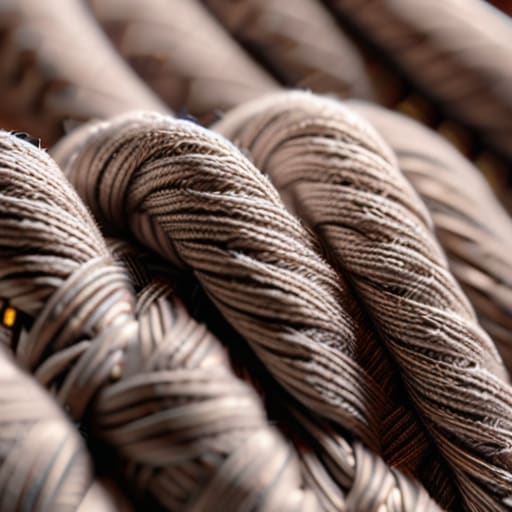
Here’s the thing: most people use “spandex” and “elastane” interchangeably like they’re the same thing, but if you’re sourcing blanks, you need to actually care about the nuance. Technically, they’re the same chemical fiber, but the way brands label them often tells you exactly how much they’re trying to hide. When I’m inspecting a new batch of jersey, I’m not just looking at the hand-feel; I’m looking for how the fibers are actually integrated. Cheap blanks often use low-grade synthetic blends that offer plenty of initial pull but absolutely zero textile recovery rate explained in any real way.
If the ratio is off or the quality is bottom-tier, you’ll see it immediately after the first wash. You’ll end up with a garment that looks great on the hanger but loses its dimensional stability in textiles the second it hits a warm cycle. Instead of hugging the body, the fabric just… gives up. You get those weird, wavy ripples along the side seams because the knit can’t snap back to its original state. That’s the real hidden cost: you aren’t just buying a shirt; you’re buying a ticking clock of fabric elasticity and garment shape degradation.
Dimensional Stability in Textiles Preventing the Sagging Silhouette
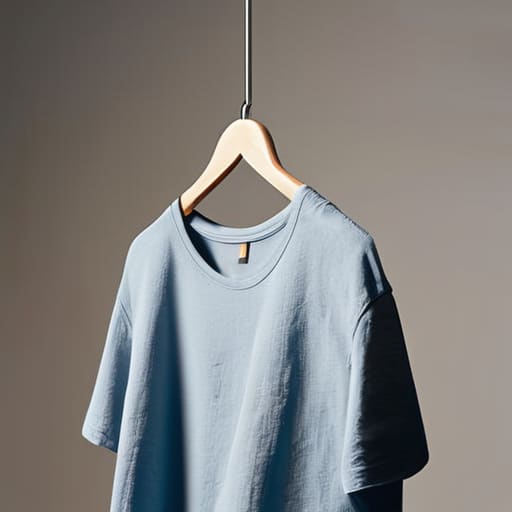
Here is the reality of what happens when you ignore dimensional stability in textiles: your favorite oversized tee eventually looks like a wet rag. I’ve seen it happen in my own studio constantly. You start with a piece that has a crisp, intentional silhouette, but because the knit structure is lazy, the weight of the fabric itself starts pulling the fibers downward. Without proper dimensional stability, that “relaxed fit” you paid extra for quickly morphs into a distorted mess that hangs unevenly off your shoulders.
It really comes down to the textile recovery rate explained through the lens of tension. If a fabric has high elasticity but zero ability to snap back to its original state, you’re essentially wearing a garment that is slowly deforming in real-time. I always check the grainline and the tension of the knit because if the fabric elasticity and garment shape aren’t working in tandem, the piece is doomed. You don’t want a shirt that looks great on the hanger but loses its structural integrity the second you actually move in it.
5 Ways to Tell if a Garment's Stretch is Actually Built to Last
- Check the recovery, not just the stretch. Grab the fabric, pull it hard, and let go. If it doesn’t snap right back to its original shape instantly, that piece is going to look like a saggy mess by the third time you wear it.
- Watch out for “mystery blends” in the care label. If a brand won’t tell you the exact percentage of elastane, they’re probably hiding a low-quality fiber that’s going to snap and poke through the fabric like tiny needles after a few washes.
- Don’t ignore the weight (GSM) when dealing with stretch. A thin, stretchy jersey might feel soft in the shop, but without enough density, the fabric will lose its structural integrity and start looking sheer and tired the second it hits your curves.
- Pay attention to the seam tension. If you see the stitching puckering or pulling apart when you put the garment on, the thread isn’t compatible with the fabric’s stretch. That’s a ticking time bomb for a blown-out seam.
- Test the “growth” factor. High-stretch items often expand over a day of wear. If a garment feels “perfectly snug” in the fitting room, it’ll likely be two sizes too big by dinner time if the knit isn’t tight enough to hold its ground.
The TL;DR on Stretch and Longevity
Don’t get blinded by “high stretch” marketing; if the fiber doesn’t have proper recovery, you’re just buying a garment that’s going to lose its shape and look like a wet rag by next month.
Always check the blend—mixing too much cheap elastane into a low-quality base fabric is a recipe for “bagging out,” and once those fibers snap, there’s no fixing the silhouette.
When you’re sourcing or buying, look past the softness and ask about dimensional stability; a good garment should hold its structure through the wash, not just feel nice in the fitting room.
Frequently Asked Questions
If I'm looking for a heavy, structured streetwear fit, how much stretch should I actually be looking for in the GSM?
Look, if you’re chasing that heavy, boxy streetwear silhouette, you actually want to steer clear of high stretch. I’m talking about 100% cotton or maybe a tiny bit of elastane at most. If you go too heavy on the stretch, that high GSM won’t matter because the fabric will lose its structure and just drape like a wet rag. You want weight that holds its shape, not something that clings to your body.
How can I tell if a garment is going to lose its shape after a few washes just by feeling the fabric in a shop?
Honestly? Use the “snap test.” Grab a handful of the fabric, stretch it out as far as you comfortably can, and let it go. If it snaps back instantly and feels “tight” against your palm, you’re usually good. If it slowly crawls back to its original shape—or worse, stays a bit wonky—run. That lack of immediate recovery means the fibers are weak, and you’ll be wearing a shapeless sack by next month.
Does adding more elastane to a blend actually make a garment more durable, or does it just make it more prone to breaking down?
Honestly? More isn’t better. It’s a trap. People think cranking up the elastane makes a garment “performance grade,” but you’re actually just inviting disaster. High percentages of synthetic stretch fibers tend to degrade way faster under heat and friction. You’ll end up with that annoying “spandex snap”—where the tiny elastic filaments break inside the yarn—leaving you with those weird, wavy lines in your fabric. More elastane usually just means a shorter lifespan.