
I was hunched over my first heavy-duty sewing machine in that cramped, lint-filled shared studio, trying to figure out why the sample hoodie I’d spent three days perfecting looked like a shapeless sack of flour the second a human actually put it on. I kept looking at the front, but I should have been looking at the tension in the side seams. Everyone in the industry wants to sell you on “oversized silhouettes” as a stylistic choice, but half the time, it’s just a lazy way to mask a garbage fit around the midsection. If the fabric lacks the right weight or the pattern doesn’t account for how the body actually sits, you aren’t wearing “streetwear”—you’re just wearing unstructured chaos that clings to all the wrong places.
I’m not here to talk about what’s trending on TikTok or which designer is “redefining” the waistline. I want to talk about why a 400 GSM cotton twill behaves differently than a cheap poly-blend when it hits your stomach, and how seam placement dictates whether a garment drapes or bunches. I’m going to show you how to spot the construction flaws that ruin a silhouette before you even hit the checkout button.
Why Clothing Drape and Silhouette Fail Cheap Blanks
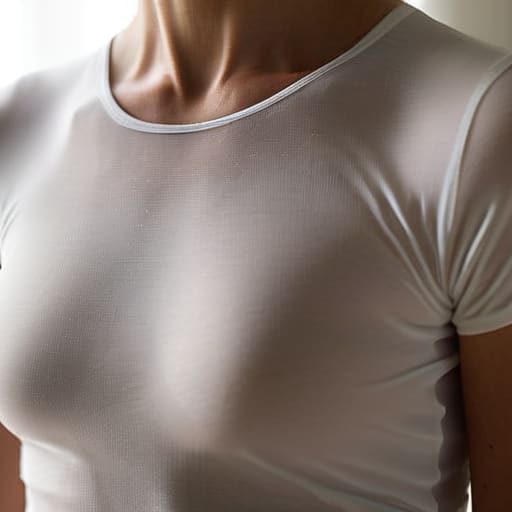
The real issue with most fast-fashion blanks isn’t just that they look cheap; it’s that they have zero structural integrity. When you’re dealing with a low GSM, single-jersey cotton that’s been stretched thin to save a few cents, you lose all control over clothing drape and silhouette. Instead of the fabric hanging with intention, it just clings to every unintended curve. If the knit is too loose or the fiber length is subpar, the shirt won’t skim your body—it’ll just suction itself to your stomach the second you move.
I’ve spent way too many hours in the studio seeing how a lack of recovery in the fabric ruins a garment’s life cycle. When a blank lacks proper density, it fails to provide that flattering midsection fit we all actually want. You end up with this weird, wavy effect around the waist where the fabric has lost its shape entirely. It’s not a “relaxed fit” if the fabric is simply too weak to hold its own weight; it’s just a poorly constructed piece of cloth that’s going to look like a crumpled napkin after three washes.
The Real Cost of Ignoring Fabric Stretch for Abdominal Ease
Look, I’ve spent way too many hours hunched over a cutting table to ignore the math behind how a body actually moves. When you’re looking at a tech pack or just feeling a garment in a shop, everyone talks about the look, but nobody talks about the mechanical failure of a stiff, zero-stretch fabric. If you’re buying a heavy-weight cotton tee or a structured trouser that has absolutely zero give, you aren’t just dealing with a tight fit; you’re dealing with a garment that fights your every breath. When there is no fabric stretch for abdominal ease, the tension doesn’t just sit at the waist—it pulls the entire garment upward, ruining the intended line of the piece.
This is where most fast-fashion brands cut corners to save on elastane costs. They give you a silhouette that looks killer on a static mannequin, but the second you sit down, that lack of recovery means the fabric bunches or, worse, digs in painfully. If you want a flattering midsection fit that actually lasts through a full day of wear, you have to prioritize how the weave reacts to movement. I’d much rather pay a premium for a high-quality jersey with a bit of natural recovery than deal with a “perfect” fit that feels like a cage by lunchtime.
How to actually judge a midsection fit before you hit 'buy'
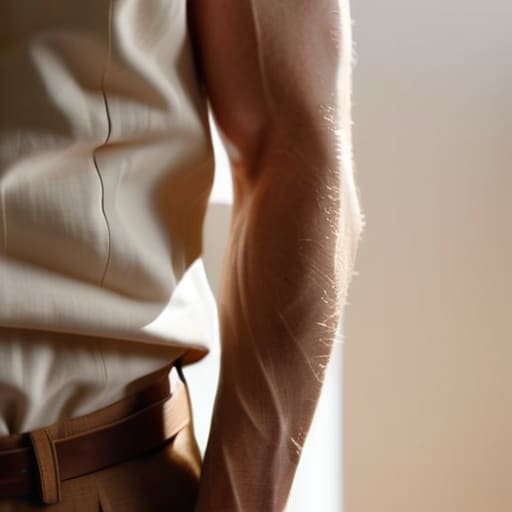
- Check the side seam straightness; if the seam is twisting toward your belly, the fabric was cut off-grain, and it’s going to pull awkwardly across your stomach no matter how much you stretch it.
- Look for a high GSM (grams per square meter) in cotton jerseys; a heavier weight provides the structural integrity needed to drape over the midsection rather than clinging to every curve like a cheap film.
- Inspect the hem width against the chest measurement; if the garment tapers too aggressively toward the bottom, you’re going to end up with that dreaded “muffin top” effect where the fabric bunches up at your waist.
- Prioritize a bit of mechanical stretch over synthetic elastane; I’d much rather have a heavy-duty weave that moves with my body through its own structure than a flimsy poly-blend that loses its shape after one wash.
- Turn the garment inside out to check the overlock stitching around the waist; if the thread tension is too tight, it creates a rigid ring that digs into your midsection and ruins the entire silhouette.
The Bottom Line on Midsection Construction
Stop chasing “oversized” trends if the fabric has zero structural integrity; if the GSM is too low, the garment won’t drape over your midsection, it’ll just cling to every curve and highlight every seam error.
Check the recovery of your fabric before you buy—if the knit doesn’t snap back after a stretch test, that waistband or side seam is going to bag out and lose its shape by the second wear.
Prioritize seam allowance and construction over a flashy graphic; a well-cut garment uses clever pattern engineering to provide room where you need it without looking like a shapeless sack.
Frequently Asked Questions
If I’m looking at a heavy GSM heavyweight tee, how do I know if the weight is actually helping the drape or if it’s just going to turn into a stiff, boxy tent around my stomach?
Look, there’s a massive difference between “heavyweight” and “cardboard.” If a tee is high GSM but lacks a bit of fluidity—usually because the cotton is short-staple or poorly spun—it won’t drape; it’ll just stand away from your body like a structural tent. I always check the hand-feel. You want a weight that has enough substance to hold its shape without feeling like you’re wearing a piece of upholstery. If it feels stiffly lifeless, run.
Is it actually possible to find a high-quality blank that has enough mechanical stretch to be comfortable without it feeling like cheap, flimsy spandex?
Absolutely. You’re looking for mechanical stretch, not chemical stretch. Most people think “comfort” means adding elastane, but that’s usually how you end up with that flimsy, sweaty spandex feel that loses its shape after three washes. You want a high-GSM cotton knit with a tight, structural weave. It’s all about the way the loops are constructed—it gives you that give you need around the stomach while still holding its own silhouette.
How much does the way a side seam is constructed actually impact whether the shirt rolls up or stays put when I’m sitting down?
Honestly, it’s everything. If you’re looking at a shirt with a twisted side seam—which happens a lot with cheap, single-jersey blanks—it’s basically a ticking time bomb for your midsection. When those seams aren’t straight and reinforced, the tension pulls the fabric unevenly. The second you sit down and your torso expands, that lack of structural integrity causes the hem to migrate upward. A properly stabilized seam keeps the garment anchored so it actually stays put.