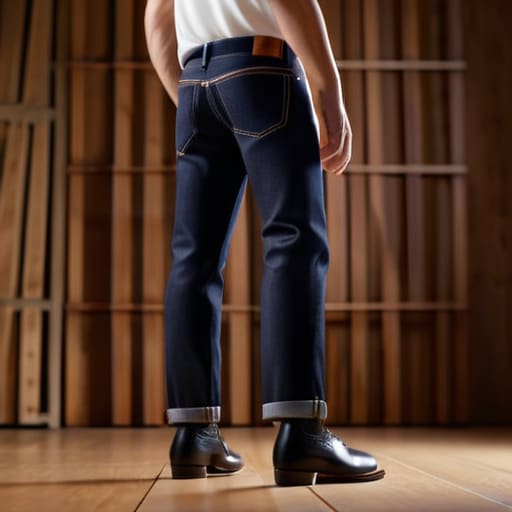
I remember sitting on a milk crate in my first shared studio, surrounded by half-printed blanks and the overwhelming scent of plastisol ink, staring at a pair of trousers that were supposed to be “designer” but felt like wearing cardboard tubes. Every brand was slapping labels on everything, using “tapered fit explained” in their marketing copy as if it were some revolutionary engineering feat, when in reality, most of it was just cheap pattern cutting meant to hide poor fabric choices. It’s frustrating because they sell you on the silhouette without ever mentioning how the actual geometry of the seam affects the way the garment moves when you’re actually living in it.
I’m not here to feed you more aesthetic fluff or tell you which silhouette is going to be “in” next season. Instead, I want to pull back the curtain on what a tapered cut actually does to the drape of a fabric and why a poorly executed taper is just a fast-track to blown-out seams and wasted yardage. We’re going to look at the technical reality of how these cuts work, focusing on how they should follow your body without sacrificing the structural integrity of the garment.
The Geometry of Drape Tapered Leg Silhouette vs Boxy Cuts
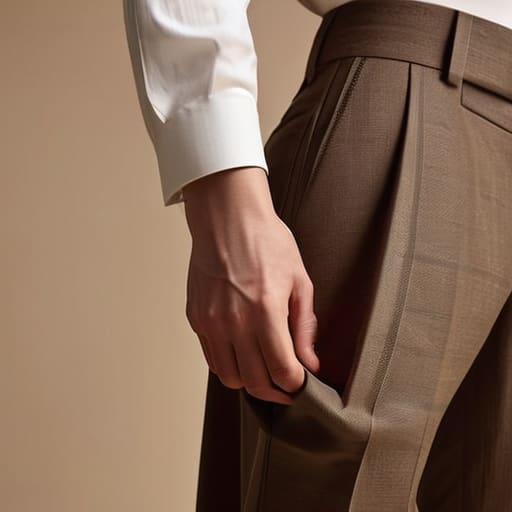
When I’m looking at a new sample in the studio, I’m not just looking at the silhouette; I’m looking at how the weight of the fabric behaves. A boxy cut is basically a rectangle of fabric dropped from the shoulders or waist—it’s easy to manufacture and great for that oversized, streetwear aesthetic, but it can easily swallow your shape if the GSM isn’t heavy enough to hold its own structure. A tapered leg silhouette, on the other hand, is a bit more intentional. It’s about managing volume, starting wider at the thigh to allow for movement and then gradually narrowing down toward the ankle.
The real difference shows up in the “drape.” While a boxy cut relies on gravity to hang, a taper uses geometry to direct the eye. When people ask me about tapered vs slim fit, I tell them it’s a matter of comfort versus restriction. A slim fit is often just a narrower version of a straight leg, which can feel like it’s fighting your anatomy. But a proper taper gives you that breathing room in the seat and thighs while still providing a clean, streamlined finish at the leg opening. It’s the difference between looking like you’re wearing a tent and looking like the clothes were actually built for a human.
Defining the Tapered Leg Opening Definition and Fabric Tension
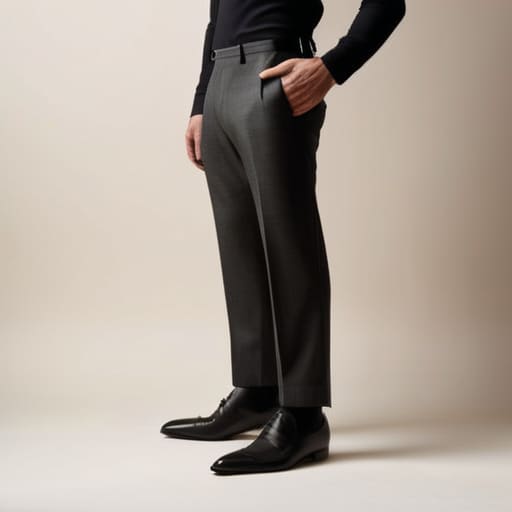
When we talk about the actual tapered leg opening definition, we aren’t just talking about making the bottom of the pants narrower. It’s a mathematical game of managing tension. If you just shrink the hem without adjusting the rise or the knee placement, you end up with that awkward “carrot” shape that looks like it was cut by someone who’s never actually worn trousers. A proper taper needs to follow the natural narrowing of your leg, transitioning from the thigh to the ankle in a way that feels intentional, not forced.
This is where people usually get tripped up in the tapered vs slim fit debate. A slim fit is essentially a constant, narrow silhouette from top to bottom, which can feel restrictive if the fabric doesn’t have any give. A true taper, however, gives you that much-needed room in the seat and thighs before it hugs the lower leg. It’s all about how the fabric interacts with your movement; you want the silhouette to stay clean when you’re standing still, but you don’t want the seams digging into your calves every time you take a step.
How to actually spot a decent taper (without getting played by the hype)
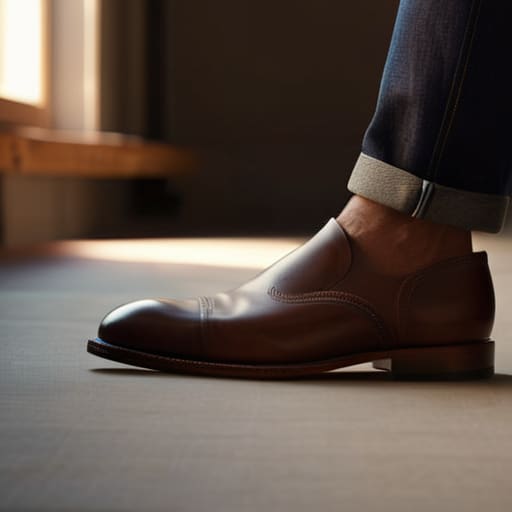
- Check the knee transition. A cheap, mass-produced taper often feels like a sudden, aggressive pinch right at the knee, which is a nightmare for movement. A well-made garment should have a gradual slope that follows your natural leg shape rather than just forcing the fabric into a narrow tube.
- Watch the grainline. If the taper is too aggressive and the manufacturer didn’t account for the fabric’s bias, you’re going to see weird twisting or “spiraling” down the leg after three washes. I’ve seen so many “designer” pieces that look crooked because they prioritized a skinny silhouette over proper pattern cutting.
- Don’t ignore the GSM. Tapered cuts create more tension around the lower leg, so if you’re buying a super lightweight, low-quality jersey or twill, that tension is going to cause the fabric to bag out at the thighs or pull awkwardly at the seams. Heavier weights hold the shape of a taper much better.
- Inspect the seam allowance. Because a tapered leg narrows toward the hem, there’s less “give” in the construction. If the maker skimped on the seam allowance, you’ll feel that tightness immediately when you sit down. Always check if there’s enough structural integrity to actually live in the clothes.
- Test the drape, not just the width. A tapered fit shouldn’t just be a measurement of a narrow leg opening; it’s about how the excess fabric in the upper thigh falls toward that narrow point. If it looks like a tent from the waist down, the taper isn’t working—it’s just poorly scaled.
The Real Deal on Tapered Fits
A good taper is about more than just a silhouette; it’s about how the fabric manages tension so you aren’t fighting the seams every time you sit down.
Don’t get distracted by the hype—a tapered cut is actually a tool for better drape, helping the garment follow your body without wasting unnecessary yardage.
Watch the leg opening closely, because if the taper is too aggressive on a heavy fabric, you’re going to end up with awkward bunching instead of a clean line.
Frequently Asked Questions
If I'm buying heavy-weight denim, will a tapered cut make the fabric bunch up weirdly at my knees?
Honestly, that’s the million-dollar question with heavy denim. If you’re buying a high-GSM, stiff raw denim, a sharp taper can definitely turn your knees into a disaster zone of weird stacking and bunching. Since the fabric doesn’t want to bend, it fights the silhouette. My advice? Look for a “gradual” taper rather than an aggressive one. You want enough room in the thigh and knee to let the fabric drape instead of fighting your joints.
How do I figure out if a taper is actually intentional or just a poorly cut pattern that's wasting fabric?
Turn the garment inside out—it’s the only way to see the truth. Look at the side seams. If the taper is intentional, the seam line should be a smooth, controlled curve that follows the natural anatomy of the leg. If you see weird, jagged “steps” or the fabric is bunching and pulling at the hip, that’s not a design choice; it’s just a lazy pattern cut that’s fighting the grain.
Can you actually taper a pair of wide-leg trousers myself without ruining the original drape?
Honestly? It’s a massive gamble. If you take a wide-leg trouser and just start slimming down the inseam, you’re going to kill the way the fabric swings. You’ll likely end up with weird tension lines pulling from the hip or a hem that looks totally wonky. If you’re dead set on it, you have to taper from the knee down, not the thigh, to keep that original drape intact. Otherwise, you’re just making a poorly fitted straight leg.