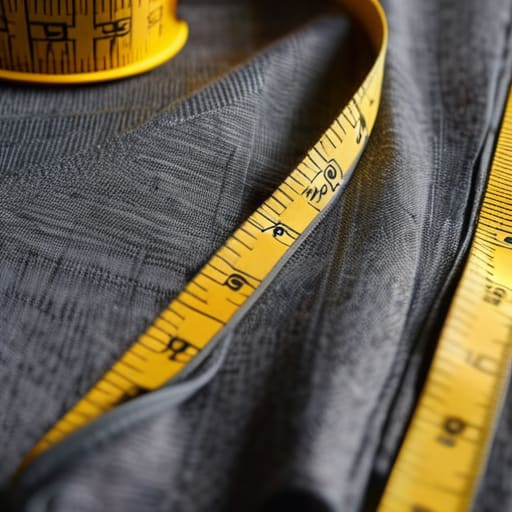
I’ve spent way too many late nights in a cramped, ink-stained studio staring at a pile of expensive, wasted blanks just because a “size guide” didn’t actually account for how a human body moves. There is this massive, annoying myth in the streetwear world that if you just follow the brand’s generic chart, you’ll look effortless, but let’s be real: most of those charts are total guesswork. If you don’t actually know how to measure yourself with precision, you aren’t just buying a shirt; you’re basically gambling with your money on a fit that’s going to look boxy in all the wrong places.
I’m not here to give you some polished, runway-ready tutorial that ignores the reality of fabric tension or seam allowance. Instead, I’m going to show you the actual, gritty way to get your numbers right so you can stop playing the guessing game. We’re going to talk about the specific points that matter—the stuff that actually determines if a garment hangs right or just sits awkwardly on your frame. Consider this my no-nonsense contract to help you shop smarter and stop letting bad sizing ruin a good piece.
Mastering How to Use a Measuring Tape for Clothing
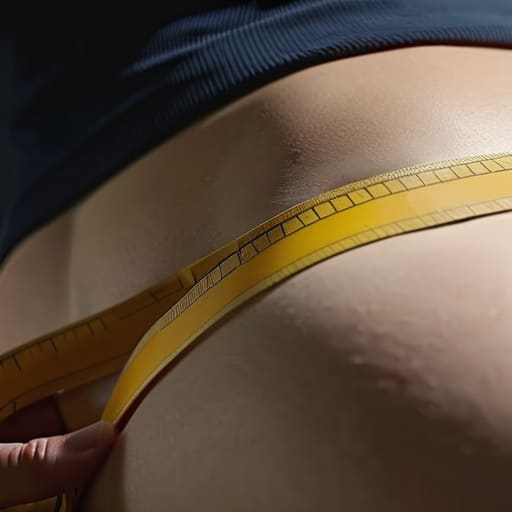
First things first: stop pulling the tape so tight that it digs into your skin. I see this all the time when people are trying to get accurate body measurements for fitness or just trying to order a decent hoodie online. If you’re pulling the tape until it pinches, you’re going to end up with a garment that feels like a straightjacket the second you actually try to move in it. You want the tape to sit flat against your skin—firm, but with enough “breathing room” that you could actually fit a finger underneath it.
When you’re figuring out how to use a measuring tape for clothing specifically, remember that the tape is a tool, not a torture device. For your chest or hips, don’t suck in your stomach or stand like a mannequin; just stand naturally. If you’re trying to figure out how to measure chest and hips, keep the tape parallel to the floor. If it’s dipping in the back, your measurements are going to be garbage, and you’ll end up wasting money on blanks that don’t sit right on your frame.
Accurate Body Measurements for Fitness and Fabric Drape
If you’re trying to figure out how a garment is actually going to hang on your frame, you need to look past just the numbers on a tag. I’ve spent way too many hours staring at fabric samples to realize that a “medium” means nothing if you don’t understand how your own proportions interact with the drape. When people ask for accurate body measurements for fitness, they’re usually tracking progress, but for us, it’s about understanding the geometry of the body. If you’re aiming for that oversized, heavy-drape streetwear look, knowing your exact dimensions is the only way to predict if a 300 GSM hoodie is going to look intentional or just like you’re drowning in it.
Don’t just pull the tape tight like you’re measuring a piece of lumber. You need to account for the space between your skin and the tape. For example, when measuring waist circumference correctly, make sure you aren’t sucking in your stomach just to hit a goal number; that’s a recipe for a garment that feels suffocating the second you actually sit down. You want to find the natural pivot points of your body so you can choose fabrics that move with you rather than fighting against you.
Stop Guessing: 5 Ways to Not Screw Up Your Measurements
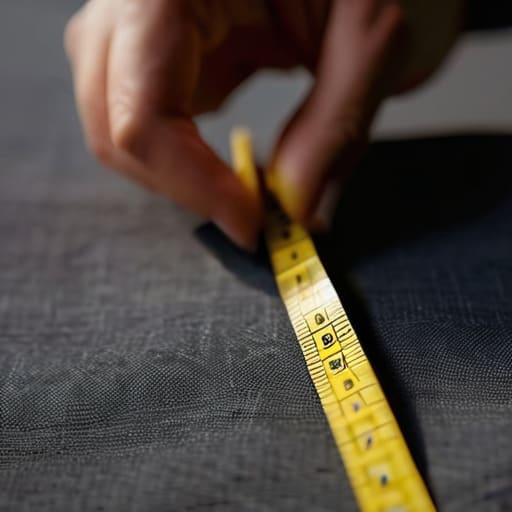
- Grab a soft tailor’s tape, not a metal construction one. If you try to wrap a stiff metal tape around your chest, you’re going to get a reading that’s completely off, and you’ll end up with a garment that feels like a cardboard box.
- Measure over your skin or a very thin base layer. If you try to take your measurements while wearing a heavy hoodie, you’re basically just measuring the hoodie, and that shirt is going to hang weirdly once you actually put it on.
- Keep the tape level, but don’t pull it tight. You want the tape to skim your body, not dig into your skin. If you pull it too tight, you’re cutting off your breathing room; if it’s too loose, you’re just buying a tent.
- Use a mirror or a friend. Trying to measure your own back width while twisting around is a recipe for disaster. If the tape isn’t perfectly horizontal across your shoulder blades, your pattern math is going to be useless.
- Leave a little “ease” in your head. When you’re measuring your waist or hips, don’t suck in your stomach like you’re posing for a photo. Measure how you actually live, otherwise, that high-quality blank you spent money on won’t even let you sit down.
The Real Cost of Guessing Your Size
Stop eyeballing it; if your measurements are off by even an inch, you’re going to end up with a garment that either pulls awkwardly at the seams or hangs like a shapeless sack, and that’s just money down the drain.
Focus on how the fabric actually moves—measure your circumference with enough room to breathe, because a measurement that’s too tight will ruin the drape of even the highest GSM cotton.
Keep your measurements consistent and record them properly, because once you find a blank that actually fits your frame, you don’t want to be hunting for it again when the next drop happens.
Frequently Asked Questions
Should I be measuring over my clothes or directly against my skin to get an honest reading?
Measure directly against your skin. If you try to measure over a baggy hoodie, you’re just adding fake volume that doesn’t exist. You’ll end up ordering a size that’s way too big, and once you realize the drape is off, you’re stuck with a garment that looks sloppy rather than intentional. Get the tape snug—but not digging in—against your actual body. That’s the only way to know how the fabric will actually behave.
If I'm somewhere between two sizes, should I size up for a better drape or size down to avoid looking swallowed by the fabric?
Look, if you’re caught between sizes, don’t just pick a number. If you’re eyeing a heavy GSM blank, size up. A high-quality, heavy fabric needs that extra room to actually drape; if it’s too tight, it just bunches awkwardly and ruins the silhouette. But if you’re working with something lighter, sizing up might make you look like you’re wearing a tent. My rule? Size up for the drape, then learn to adjust the fit yourself.
How much "ease" should I actually be adding to these numbers so the garment doesn't feel like a second skin?
Look, if you use your exact body measurements, you’re basically making a compression shirt, not a garment. For a standard, comfortable fit, I usually add about 2 to 4 inches (5-10cm) of “ease” to your circumference measurements. If you want that oversized, streetwear silhouette, double it. Just remember: more ease means more fabric, which means more weight. Don’t add bulk just for the sake of it; add it so you can actually breathe.