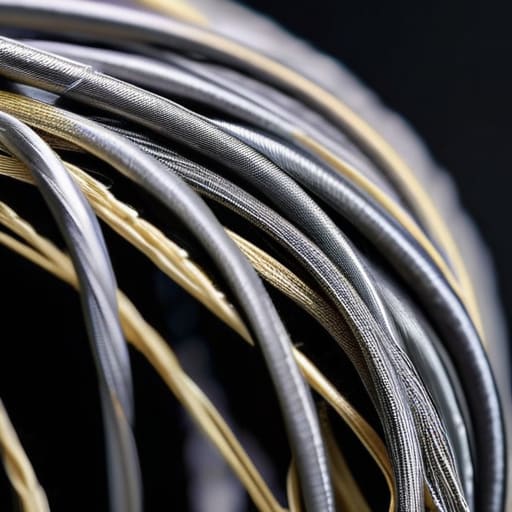
I remember sitting on the floor of my first shared studio, surrounded by scraps of fabric and a mounting sense of frustration, trying to figure out why my technical outerwear looked like cheap plastic trash after just one wash. I had spent way too much of my tiny budget on “premium” technical blanks, only to realize I didn’t actually understand the difference between a high-grade polymer and something meant for grocery bags. Everyone talks about nylon like it’s this magical, indestructible miracle fabric, but the truth is that nylon and its properties can absolutely wreck a garment if you don’t respect the chemistry behind the weave.
I’m not here to sell you on some aesthetic trend or tell you that everything “techwear” is automatically high-quality. Instead, I want to pull back the curtain on what’s actually happening at the fiber level so you don’t waste your entire production run on materials that can’t handle real-world tension. We’re going to skip the marketing fluff and get into the actual mechanics—from tensile strength to moisture management—so you can finally start making clothes that actually last.
Decoding the Polyamide Chemical Structure and Fiber Integrity
Look, I know “polyamide chemical structure” sounds like something you’d only hear in a chemistry lecture, but if you’re trying to figure out why one windbreaker feels like high-end technical gear and another feels like a glorified trash bag, this is where the magic happens. At its core, nylon is a synthetic polymer, and the way those molecules are chained together determines whether your garment is going to hold its shape or turn into a wrinkled mess after one wash. It’s all about how those amide groups are linked; that’s what gives the fiber its backbone.
When we talk about nylon tensile strength, we aren’t just geeking out for the sake of it. In my studio, I’ve seen how a high-quality polyamide can take a massive amount of stress—think heavy movement or tight seams—without snapping or thinning out. This inherent toughness is exactly what drives its reputation for durability and wear resistance. If the polymer chain is consistent, the fabric stays resilient. If it’s cheap, low-grade junk, you’re basically paying for a garment that’s destined for a landfill before the season is even over.
Why Synthetic Polymer Characteristics Dictate Your Products Lifespan
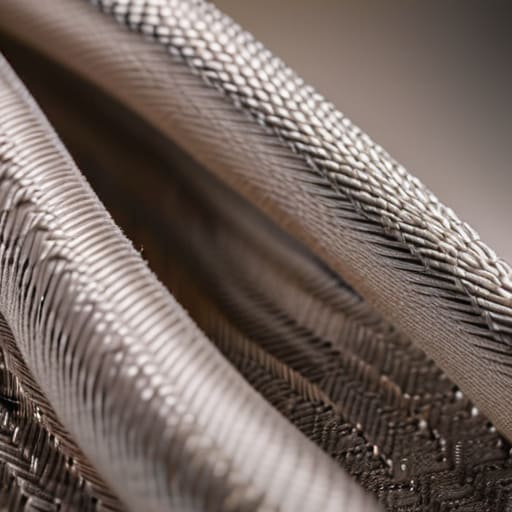
Here’s the thing: most people buy a nylon jacket because it looks sleek or has that specific technical sheen, but they completely ignore the actual physics of the fiber. When we talk about nylon durability and wear resistance, we aren’t just talking about whether a fabric feels “tough.” We’re talking about how those synthetic polymer characteristics determine if a garment is going to hold its shape after three washes or if it’s going to turn into a shapeless, pilled mess that ends up in a landfill by next season.
If you’re designing something meant to actually survive the real world—whether it’s a heavy-duty utility vest or a high-performance windbreaker—you have to respect the nylon tensile strength. Because the polymer chains are so tightly packed, the material can handle a massive amount of stress before it actually snaps or tears. But there’s a catch. If a manufacturer cuts corners by using a low-grade recycled blend without maintaining that structural integrity, you lose that resilience. You end up with a garment that looks great on a hanger but fails the second it’s put under any actual tension.
5 Ways to Stop Wasting Money on Low-Grade Nylon
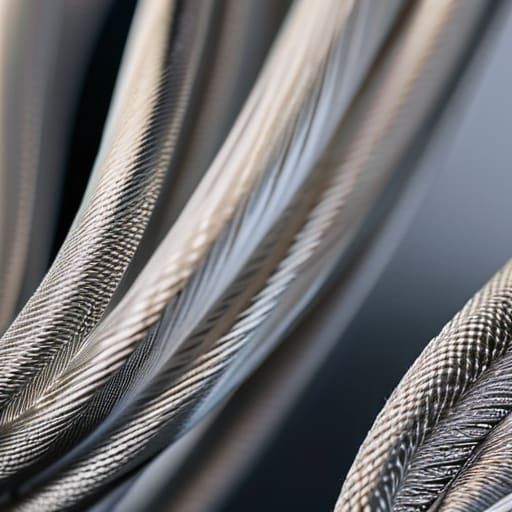
- Check the denier, not just the weight. Everyone talks about GSM, but with nylon, the denier (the thickness of the individual thread) tells you if that windbreaker is actually going to hold up or if it’s going to shred the first time someone catches it on a door handle.
- Watch out for the “fake” soft hand. Some manufacturers coat cheap nylon in silicone to make it feel premium in the sample, but that coating washes off after three cycles, leaving you with a garment that feels like a literal trash bag.
- Don’t ignore the dye affinity. Nylon is a sponge for pigment, which is great for vibrant colors, but if the manufacturer didn’t use the right heat-setting process, your “electric blue” tech-wear is going to look like a washed-out pastel by next season.
- Test the abrasion resistance before you commit to a bulk order. If you’re making anything meant for movement—like cargos or utility vests—you need to know how the fiber reacts to friction, otherwise, you’re just producing expensive single-use clothing.
- Mind the heat sensitivity. Nylon has a much lower melting point than polyester, so if you’re doing heat transfers or screen printing, you have to dial in your settings perfectly. One degree too high and you’ve just turned your entire production run into a pile of melted plastic.
The Real Cost of Cutting Corners with Nylon
Stop chasing the “techwear” aesthetic if you don’t understand polymer integrity; if the polyamide structure is cheap, your garment is going to lose its shape and fail under tension long before your customers are done with it.
High-quality nylon isn’t just about the hand-feel—it’s about how the fiber behaves during the manufacturing process, specifically regarding how it handles heat and stress without compromising the seam allowance.
Durability in synthetics is a science, not a marketing buzzword, so always prioritize fiber density and chemical stability over a brand name if you actually want your pieces to last more than one season.
Frequently Asked Questions
If I’m mixing nylon with other fibers like cotton or elastane, how much am I actually going to lose in terms of that signature durability?
Look, blending is a trade-off. If you’re adding elastane for stretch, you’re trading some of that structural grit for comfort, but it’s usually worth it. However, mixing nylon with cotton? That’s where you have to be careful. You’re essentially diluting the nylon’s strength with a natural fiber that degrades faster. You’ll lose that “indestructible” feel, so don’t market a cotton-heavy blend as heavy-duty gear. You’re prioritizing hand-feel over pure longevity.
Is there a specific way to tell if a brand is using high-quality regenerated nylon or just cheap, virgin polymer that’s going to pill after two washes?
Honestly, you can’t just look at a label and trust it—”recycled” is becoming a massive marketing buzzword used to mask low-grade scraps. To tell the difference, feel the hand-feel. Cheap, virgin polymer often feels plasticky or unnervingly slick, whereas high-quality regenerated nylon should have a substantial, almost matte texture. If the fabric feels overly thin or “crunchy,” it’s likely low-tenacity stuff that’s going to pill the second it hits a washing machine.
How do I actually calculate the right weight for a nylon garment so it feels premium rather than just like a thin, disposable windbreaker?
Stop guessing and start looking at GSM (grams per square meter). For that “premium” weight, you’re usually aiming for anything above 120-150 GSM for a structured feel. If you’re stuck with a thin 70 GSM fabric, you have to compensate with the weave density or a tighter ripstop pattern. Don’t just look at the number, though—feel the drape. A high GSM nylon that lacks structural integrity will still feel like a trash bag.