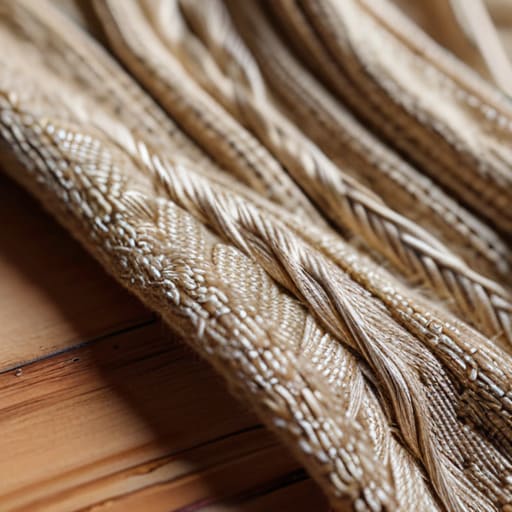
I’ll never forget the first time I tried to source a “sustainable” heavy-weight tee for a small run. I saw the label, saw the price tag, and thought, okay, we’re doing this, only to pull the garment out of the box and realize it felt like wearing a piece of sun-dried cardboard. Everyone is currently obsessed with marketing hemp as a magic bullet for the planet, but they conveniently forget to mention that using hemp as a fabric can be a total disaster if the blend and the weave are garbage. I’ve spent way too many hours in my studio feeling through scratchy, poorly spun fibers that lose their shape before you’ve even finished your first wash cycle.
I’m not here to sell you on the “eco-friendly” lifestyle aesthetic or some vague trend you saw on a mood board. Instead, I want to talk about what actually happens when you put these fibers through a sewing machine. I’m going to break down how to spot a high-quality hemp blend versus the cheap stuff that’s just going to pill and pill, and why the GSM actually matters for how the drape feels on your body. We’re going to look past the greenwashing and focus on the actual construction and durability.
The Real Math of Hemp vs Cotton Durability
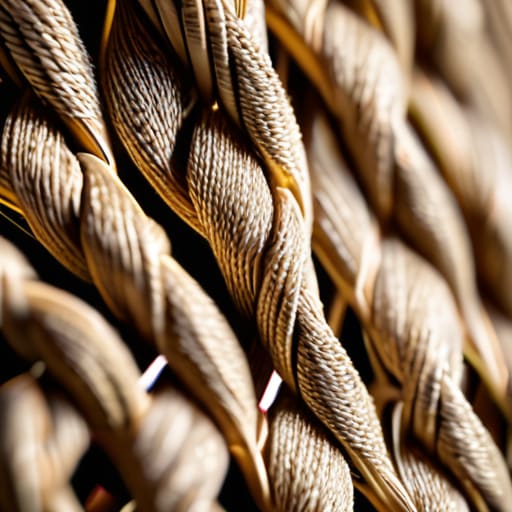
When I’m comparing hemp vs cotton durability, I’m not looking at a marketing slide; I’m looking at the actual tension in the weave. Cotton is great for softness, but once those fibers start breaking down from repeated washing, you’re left with a limp, shapeless rag. Hemp is a different beast entirely. Because the stalks are much more robust, the resulting fiber has a natural tensile strength that cotton just can’t touch. If you’re looking at a heavy-duty work shirt, you want that structural integrity that comes from a tighter, more resilient fiber.
It really comes down to how the fibers handle stress over time. In my experience, the real cost of cheap cotton is how quickly it loses its form, whereas hemp actually seems to get better as it breaks in. While many people jump on hemp as one of those shiny new eco-friendly textile alternatives, they often forget that the real value isn’t just the “green” label—it’s the fact that you won’t be throwing the garment in a landfill after six months because the seams have stretched out.
Why Sustainable Fashion Materials Demand Better Construction
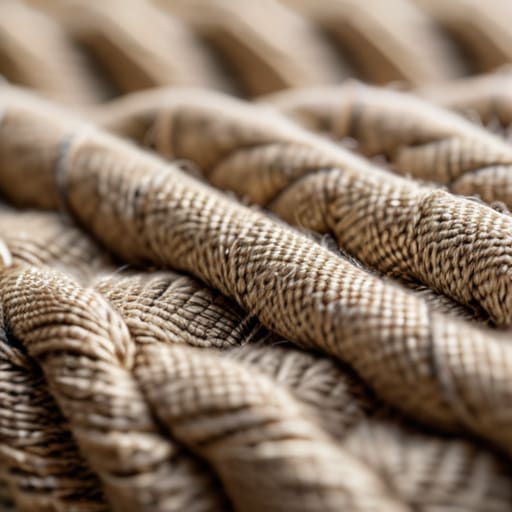
Here is the reality: if a brand uses high-quality sustainable fashion materials but pairs them with cheap, rushed construction, they’ve basically just wasted good resources. I’ve seen it happen in shared studios all the time—someone sources this incredible, heavy-duty hemp, but then they use a standard overlock stitch that can’t handle the tension of the weave. You end up with a garment that looks great on a hanger but starts unravelling at the side seams after a single month of wear. It defeats the entire purpose of choosing something meant to last.
When you’re working with these kinds of fibers, the technical execution has to match the material’s integrity. Because hemp is naturally more structural and less forgiving than a soft, flimsy jersey, you can’t just “wing it” with the pattern cutting. You need reinforced seams and proper finishing to ensure the garment actually survives the lifecycle it was promised. If we’re serious about moving toward biodegradable fabric options, we have to stop treating the assembly line like an afterthought. A shirt isn’t sustainable just because the fiber is; it’s sustainable because the construction holds up.
How to spot a hemp garment that isn't just greenwashed junk
- Check the blend ratio before you buy. If it’s 95% cheap polyester and only 5% hemp, you aren’t buying a sustainable staple; you’re buying a plastic shirt with a marketing tag. I always look for a high hemp-to-cotton ratio to ensure the fiber actually does the heavy lifting.
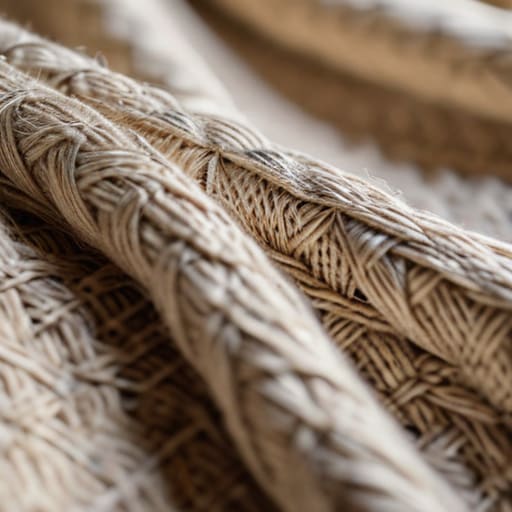
- Feel for the “scratch factor.” Real hemp has a distinct, slightly irregular texture. If a hemp shirt feels unnaturally silky and thin right off the rack, it’s likely been over-processed or blended with low-grade synthetics that will pill the second they hit a washing machine.
- Turn it inside out to inspect the seams. Because hemp is a much stiffer, more structural fiber than cotton, it puts more stress on the stitching. If the seams aren’t reinforced or if the thread looks flimsy, that tension is going to cause the fabric to pull and eventually rip at the joins.
- Don’t fear the initial stiffness. A good hemp garment might feel a bit “crunchy” or rigid when it’s brand new, but that’s actually a sign of high-quality, long-staple fibers. It’ll soften up beautifully with age, whereas cheap, thin weaves just lose their integrity.
- Look at the weight, or the GSM. Hemp is naturally a heavy-duty fiber, so if you find a “hemp” tee that feels weightless and flimsy, something is wrong. You want a decent GSM (grams per square meter) so the garment actually drapes like a piece of clothing rather than clinging like a cheap souvenir shirt.
The Bottom Line on Hemp
Don’t let the “eco-friendly” label fool you into buying junk; if the hemp isn’t blended or woven with high-grade fibers, you’re just buying a scratchy, stiff garment that’ll lose its shape faster than a cheap fast-fashion tee.
Always check the GSM and the construction—a sustainable fabric like hemp is a total waste of money if it’s being sewn into a garment with sloppy seam allowances and flimsy stitching.
Stop chasing the “hemp trend” and start looking at the technical specs; true longevity comes from the intersection of a heavy-duty fiber and a pattern that actually respects how the fabric moves.
Frequently Asked Questions
If I'm buying a hemp blend, how do I know if the cotton is actually high-quality or just cheap filler to hide a rough texture?
Look, the easiest way to spot a cheap blend is the “crush test.” Grab a handful of the fabric and squeeze it hard for five seconds. If it stays looking like a crumpled mess of paper, that’s low-grade, short-staple cotton acting as filler. High-quality cotton should have a bit of bounce-back. Also, check the weight; if it feels suspiciously thin but scratchy, they’re likely using recycled scraps to pad out the hemp.
Does hemp actually hold up better during the printing process, or is it a nightmare for screen printing compared to a standard heavy cotton blank?
Honestly, it can be a bit of a headache if you aren’t prepared. Because hemp has that natural, irregular texture, the ink doesn’t always sit as flat as it does on a smooth, heavy cotton blank. You often have to adjust your pressure or use a slightly thicker ink to prevent the weave from “eating” the print. It’s not a nightmare, but you can’t just treat it like a standard Gildan and expect perfection.
How much should I actually care about the weight (GSM) of a hemp garment versus just looking at the brand name?
Honestly? If you’re looking at the brand name to decide if a hemp piece is worth your money, you’re already being played. I’ve seen “luxury” hemp tees that feel like wearing a piece of sandpaper because the GSM is way too low for the fiber’s natural stiffness. You want a heavy GSM—something substantial—to give that hemp enough structure to actually drape. Don’t buy the hype; check the weight.