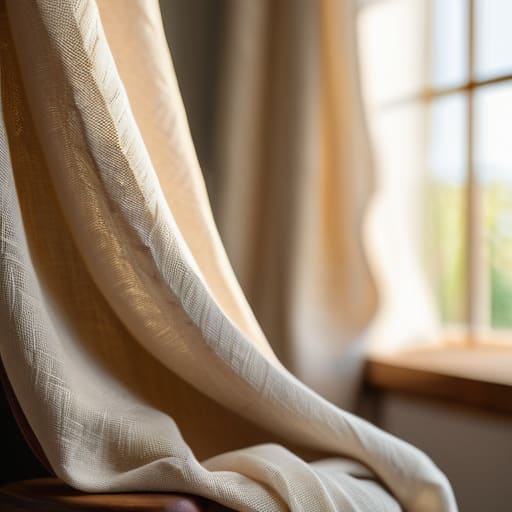
I’ll never forget the first time I tried to launch a summer capsule collection; I spent way too much money on what the supplier called “premium linen blends,” only to watch the entire batch turn into a translucent, wrinkled mess after a single wash. It’s infuriating how most brands treat linen and warm weather like a marketing aesthetic rather than a technical challenge. They’ll sell you a shirt that looks great on a mood board but has a weave so loose it loses its structural integrity the moment you actually start sweating.
I’m not here to talk about which shades of oatmeal are “in” this season or how to style a breezy silhouette for your next vacation. Instead, I want to get into the actual construction of what makes a linen garment worth your hard-earned money. We’re going to talk about weight, fiber purity, and why a higher GSM is your best friend when the temperature spikes. I’m pulling back the curtain so you can stop paying for overpriced hype and start investing in pieces that actually survive the heat.
Linen Fabric Moisture Wicking vs Cheap Synthetics

Look, I’ve seen too many “performance” streetwear brands slap a polyester blend on a shirt and call it technical gear just because it’s cheap to source. It’s a scam. When you’re sweating through a festival or just walking to the studio in July, those cheap synthetics act like a plastic bag, trapping heat against your skin and making you feel gross. You think you’re staying cool because the fabric is thin, but you’re actually just marinating in your own humidity.
This is where the natural fiber cooling properties of linen actually earn their keep. Unlike those plastic-based weaves, linen is structurally designed to pull moisture away from your body and let it evaporate almost instantly. When we talk about linen fabric moisture wicking, we aren’t talking about some high-tech lab coating applied to a cheap base; it’s literally just how the flax fibers behave. It’s a mechanical advantage, not a marketing gimmick. If you want a piece that actually works with your body instead of fighting against it, stop chasing the “tech” hype and just stick to the plant.
Linen vs Cotton for Heat the Science of Thermal Regulation
Look, I get it—cotton is the default. It’s what most of us reach for because it’s soft and easy to find. But when we’re talking about linen vs cotton for heat, there is a massive structural difference that most brands won’t tell you about. Cotton is great, but it’s essentially a sponge; once it gets damp from sweat, it stays heavy and clings to your skin, which is the last thing you want when the humidity spikes.
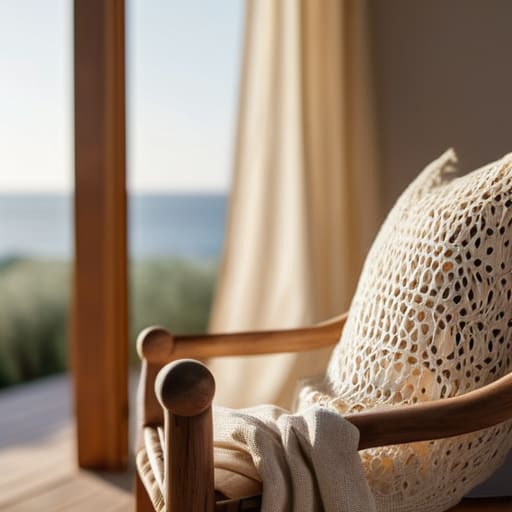
Linen is built differently. Because the flax fibers are thicker and more irregular, the fabric has these tiny gaps that allow for much better airflow. It’s not just about being “breathable”—it’s about how the material manages moisture. While cotton holds onto that dampness, linen utilizes its natural fiber cooling properties to move moisture away from your body and let it evaporate almost instantly. If you’re building a breathable summer wardrobe, you need to stop thinking about just “softness” and start thinking about how the fabric actually handles your body temperature. Cotton is fine for a breezy spring day, but for actual heat, linen is the only thing that won’t leave you feeling like you’re wearing a wet towel.
5 Ways to Not Look Like a Crumpled Mess in the Heat
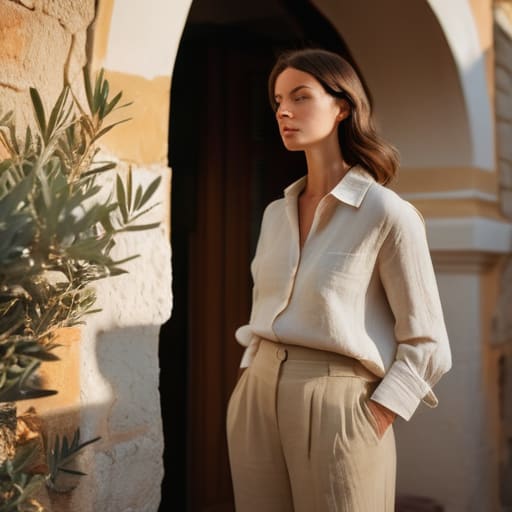
- Stop buying those “linen-feel” polyester blends; they’re just plastic traps that’ll make you sweat through your shirt in ten minutes. If it doesn’t have a decent weight to it, it’s not real linen, and it won’t breathe.
- Look for a higher GSM if you’re worried about transparency. I’ve seen so many “summer essentials” that are so thin you can practically see the construction seams through the fabric, which just looks cheap.
- Embrace the wrinkles instead of fighting them. I learned this the hard way in the studio—linen is meant to move and crease; if you try to starch it into submission, you’re just going to be miserable and stiff all day.
- Check the weave density before you commit. A tight, high-quality weave will actually hold its shape better throughout a long day of walking around, whereas the cheap, loose stuff just turns into a shapeless sack.
- Prioritize open weaves for maximum airflow. If you’re designing or buying for peak humidity, you want that structural lightness that lets the wind actually hit your skin, not just sit on top of the fabric.
The Real Cost of Summer Fabric: What to Actually Look For
Stop falling for “linen-feel” polyester blends; they trap heat like a plastic bag and will pill before you even finish your first vacation.
Check the weight—if a linen garment feels flimsy or see-through in the studio, it’s going to lose its structure and look like a crumpled rag after three washes.
Prioritize long-staple fibers over cheap, short-fiber weaves if you want a shirt that actually gets softer with age instead of turning into a scratchy mess.
Frequently Asked Questions
If linen is so great for heat, why does it feel like it’s falling apart or losing its shape after a few washes?
Look, if your linen is disintegrating, you probably bought a “linen-blend” that’s actually 70% cheap polyester masquerading as luxury. Real linen is a beast—it’s a bast fiber, meaning it’s tough as hell. But if the weave is loose and the GSM is too low, those fibers just snap under tension. You aren’t seeing “character”; you’re seeing poor construction. Stop buying the thin, flimsy stuff and look for a tighter, heavier weight.
Is it actually worth paying the premium for 100% linen, or can I get away with a linen-cotton blend without losing the breathability?
Look, if you’re chasing that crisp, architectural drape that stays cool when the humidity hits 90%, pay the premium for 100% linen. It’s unbeatable. But if you’re tired of linen looking like a crumpled paper bag five minutes after you leave the house, a linen-cotton blend is actually a smart move. You lose a tiny bit of that raw breathability, but you gain structure and way less maintenance. It’s a trade-off between pure airflow and actually looking put-together.
How do I tell the difference between high-quality heavy-weight linen and that paper-thin, scratchy stuff that feels like it’s going to tear the first time I sit down?
Honestly, just go grab a handful and do the “scrunch test.” High-quality, heavy-weight linen has a certain structural memory; it’ll wrinkle, sure, but the fibers feel substantial and slightly cool, not brittle. If it feels like you’re holding a sheet of cheap construction paper or if it has that weird, plasticky sheen, run. You want a fabric with weight that drapes rather than clings—if it feels like it’ll shred the moment you sit, it’s trash.