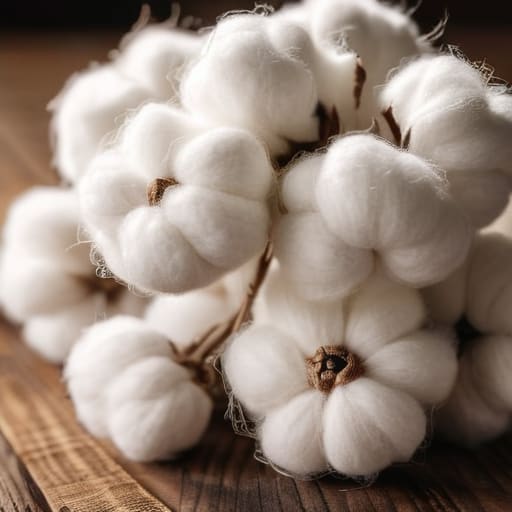
I remember sitting on a cold studio floor three years ago, staring at a pile of “premium” blanks I’d just spent way too much money on, only to watch them twist and turn into literal trash after a single wash. It was a massive wake-up call. Most brands will slap a “100% Natural” label on a garment and call it a day, but they’re completely ignoring the actual science of cotton and its varieties. They want you to focus on the aesthetic, while they hide the fact that they’re using short-staple fibers that will pill and lose their shape before you even finish your first month of wearing them.
I’m not here to sell you on a lifestyle or some overpriced “essential” collection. My goal is to pull back the curtain and show you what’s actually happening at the fiber level. We’re going to skip the marketing fluff and get into the real technicalities—from why long-staple cotton actually matters for durability to how different weaves change the way a shirt hangs on your body. I want to give you the tools to look at a fabric composition tag and actually know if you’re buying a piece of craft or just expensive landfill fodder.
Natural Cotton Fibers Explained Why Length Matters
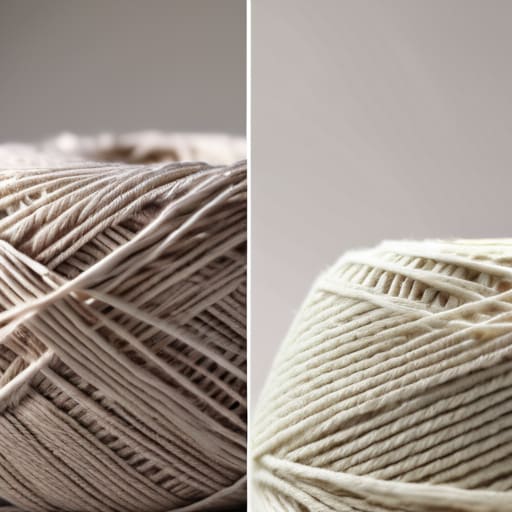
When you’re looking at a pile of fabric, it’s easy to get lost in the marketing fluff, but the real magic—or the real tragedy—happens at the microscopic level. If you want to understand natural cotton fibers explained without the jargon, you have to talk about staple length. Think of the fiber like a piece of string; the longer that string is, the more stable the weave becomes. This is the core of the long staple cotton vs short staple debate. Short fibers are cheap and easy to mass-produce, but they have more “ends” sticking out of the yarn. Those ends are exactly what cause that annoying pilling effect after three washes.
If you’re chasing that high-end, buttery feel, you’re usually looking at Egyptian cotton characteristics, where the fibers are exceptionally long and continuous. This creates a smoother surface that catches less light and resists fraying. I always tell my clients that if they want a garment to actually survive a decade of wear, they need to prioritize textile fiber quality over a flashy logo. It’s the difference between a shirt that feels like a rag in six months and one that actually gets better with age.
Long Staple Cotton vs Short Staple the Real Cost
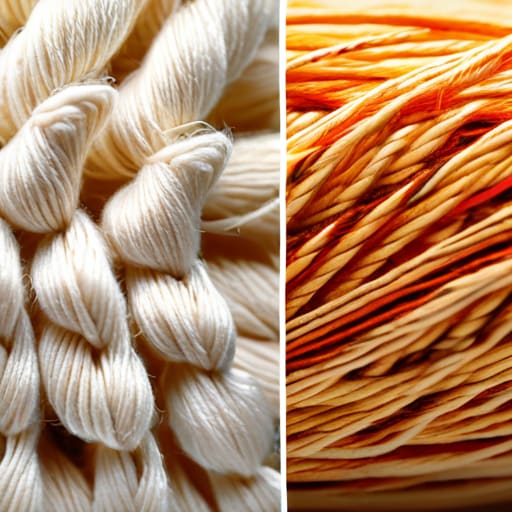
Here is the reality of the situation: when you’re looking at a price tag, you’re usually paying for the marketing, not the actual textile fiber quality. The massive price gap between a premium tee and a five-dollar fast-fashion basic almost always comes down to the long staple cotton vs short staple debate. Short staple fibers are tiny, choppy little things. Because they are so short, they have to be spun together with a lot of extra “filler” fibers to keep the yarn from falling apart. This creates that fuzzy, scratchy texture that makes your skin itch after three washes.
When you invest in long staple varieties, you’re getting fibers that are significantly longer and stronger. These can be spun into much finer, smoother yarns because there are fewer “ends” poking out of the thread. This is where you see the real difference between combed and carded cotton in action; combing removes those short, annoying bits, leaving you with a fabric that feels buttery rather than sandpaper-y. It’s not just about luxury; it’s about a shirt that doesn’t pill into a fuzzy mess the moment it hits a washing machine.
How to actually spot quality (without reading a spec sheet)
- Stop looking at the “100% Cotton” label as a guarantee; that’s the bare minimum. You need to start asking about the micronaire and the staple length, because a cheap, short-staple cotton will pill and lose its shape after three washes regardless of what the marketing says.
- Get obsessed with GSM (Grams per Square Meter). If you’re looking for a structured, streetwear-style tee that holds its shape, you want something in the 200-250 range. Anything lower is going to feel like a disposable undershirt.
- Look at the twist. High-quality cotton is usually combed, which means the short, prickly fibers have been pulled out, leaving only the long, smooth ones. If the fabric feels scratchy or looks “fuzzy” on the roll, it’s going to be a nightmare for durability.
- Check the seam construction alongside the fabric. Even the best Pima cotton is wasted if the garment is put together with cheap overlock stitching that’s going to unravel. A heavy fabric deserves a heavy-duty finish.
- Don’t fear the blend, but be wary of the ratio. A little bit of polyester can sometimes help with shape retention, but if you see anything more than 20% synthetic in a “premium” cotton shirt, you’re basically just buying plastic that’s been disguised as natural fiber.
The Bottom Line: What to Actually Look For
Stop chasing the “premium” label on the tag; if the brand can’t tell you the fiber length or the staple type, they’re likely just overcharging you for a short-staple blend that will pill after three washes.
Understand that GSM (grams per square meter) is your best friend for durability—a higher GSM usually means a sturdier structure, but always check if that weight is coming from quality fiber or just cheap, heavy fillers.
Invest in long-staple cotton when you can afford it; it’s not just a marketing buzzword, it’s the difference between a shirt that keeps its shape for years and one that turns into a shapeless rag by next season.
Frequently Asked Questions
If long-staple cotton is so much better, why are most "premium" streetwear brands still using blends that pill after three washes?
Because “premium” is often just a line item in a marketing budget, not a technical specification. Most brands are chasing a specific hand-feel—that soft, slightly fuzzy texture that feels “expensive” in a retail store—and they achieve it by blending long-staple fibers with cheap, short-staple scraps or even polyester. It feels great for the first thirty seconds, but once those short fibers start snapping and migrating to the surface, you’re left with a pill-covered mess.
How do I actually tell the difference between organic cotton and regular cotton just by looking at the fabric or the tag?
Honestly? You can’t tell just by looking. That’s the trap. A high-quality organic cotton jersey can look identical to a conventional one, and a cheap, pesticide-heavy blank can still feel soft if it’s been chemically treated. Don’t trust the “natural” vibe of the fabric. Check the tag for GOTS certification—that’s the only real proof. If it just says “100% Organic” without a certifying body, they’re probably just selling you the aesthetic.
Does a higher GSM always mean a better shirt, or am I just paying for extra weight that makes the garment uncomfortable?
Not even close. High GSM just means the fabric is denser, not better. If you’re looking at a heavy 300 GSM hoodie, that’s great for structure and warmth. But if you try to wear a 300 GSM jersey tee in July, you’re going to be miserable. It’s about the intended use. Don’t let brands use “heavyweight” as a synonym for “quality”—sometimes you just need a breathable, mid-weight drape that actually moves with you.