
I remember standing in my first shared studio, staring at a “premium” puffer jacket that had just lost its shape after one single wash. It looked less like high-end outerwear and more like a sad, flattened pancake. It’s infuriating because most brands treat down insulation and care like some kind of mystical, expensive secret that requires a specialized dry cleaner and a prayer. They want you to believe that if you don’t treat your gear like a fragile museum artifact, it’s doomed. But honestly? A lot of that “delicate” marketing is just a way to make you feel like you can’t handle your own clothes, when really, you just haven’t been told how the mechanics actually work.
I’m not here to sell you on some luxury lifestyle or tell you which designer logo will keep you warmest. My goal is to pull back the curtain on the actual construction of these garments so you can stop wasting money on junk that clumps up after a month. I’m going to break down how to maintain the loft without destroying the fill, because I’d much rather talk about structural integrity than whatever the latest trend is.
Down vs Synthetic Insulation Why Cheap Fill Fails You

Look, I get the appeal of a cheap synthetic puffer. They’re easy to grab off a fast-fashion rack and they don’t freak out if you get caught in a drizzle. But here’s the thing: synthetic fibers are basically just tiny bits of plastic. They work okay for a minute, but they lack the structural integrity of actual feathers. When we talk about down vs synthetic insulation, it really comes down to how much air you can trap. Real down has these microscopic structures that create massive pockets of warmth, whereas synthetics tend to flatten out and lose their “oomph” after a few wears.
The real heartbreak happens when you realize you’ve bought a jacket that’s essentially dead on arrival. Cheap fills lack the down feather quality needed to spring back once they’ve been compressed. You’ll find yourself constantly fighting preventing down clumping or dealing with a jacket that feels more like a heavy, wet blanket than a piece of technical gear. I’ve spent way too many hours in the studio looking at construction, and I can tell you: if the fill is low-grade, no amount of fancy stitching is going to save it from losing its shape.
Down Feather Quality Measuring Value by the Micron

When you’re looking at a price tag for a high-end puffer, most brands will shout about the “fill power” to make you feel like you’re getting a deal. But honestly? Fill power only tells you how much space the feathers take up; it doesn’t tell you how long they’ll actually stay bouncy. If you want to know if you’re being scammed, you need to look at the down feather quality, specifically the micron count.
The micron is basically the diameter of the individual fiber. Smaller, finer fibers mean more surface area to trap air, which is the whole point of the garment. If a brand is using thick, coarse feathers, they might feel “fluffy” in the shop, but they’re going to collapse the second they get damp. This is usually where people run into trouble with preventing down clumping—if the feathers are low-grade, they don’t spring back; they just mat together into these useless, heavy lumps. I’ve seen way too many “premium” jackets lose their shape after a single wash because the manufacturer cut corners on the actual fiber spec.
Stop Treating Your Down Like a Regular Hoodie: 5 Ways to Actually Save It
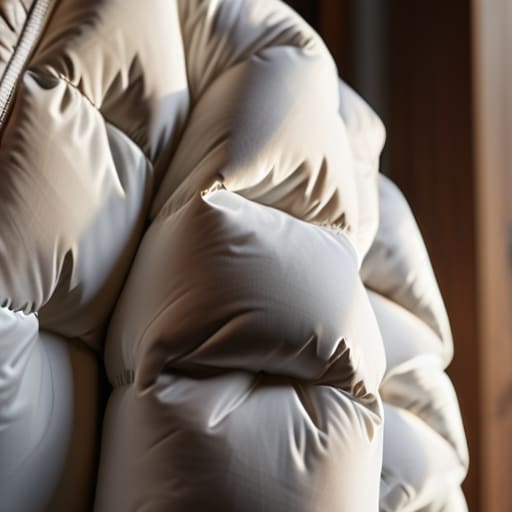
- Never, and I mean never, let your down jacket sit in a cramped corner of your closet. If you don’t give those clusters space to breathe and expand, they’ll eventually clump together and lose their loft, which basically turns your expensive jacket into a heavy, useless piece of fabric.
- When it comes to washing, ditch the standard detergent. Most of the stuff you have in your laundry room is way too harsh and actually strips the natural oils off the down clusters. Use a dedicated down wash or you’re basically nuking the very thing you paid for.
- If you’re washing it at home, you absolutely need a dryer with tennis balls (or dryer balls). You need that constant, gentle agitation to beat the clumps out of the feathers while they dry; otherwise, you’ll end up with wet, matted patches that smell like a basement.
- Don’t be impatient with the drying process. Even if the shell feels dry to the touch, the internal down might still be damp. If you pack it away while there’s even a hint of moisture inside, you’re asking for mold, and once that starts, the garment is dead to me.
- Learn to spot the “fake” loft. If you see a jacket that looks incredibly puffy but feels strangely heavy or stiff, it’s probably low-grade down or a cheap synthetic blend masquerading as high-quality fill. Real down should feel light and springy, not like you’re wearing a weighted blanket.
The Bottom Line on Your Layers
Stop chasing the lowest price tag on a puffer; if the fill power is garbage or the micron count is high, you’re just buying a heavy, flat piece of fabric that won’t actually keep you warm.
Real down is an investment in loft, not just weight—if you don’t treat it right and let it clump, you’re essentially paying for dead air and wasted space.
Always check the construction, not just the brand name; a high-quality down fill is useless if the seam allowance is so thin that the feathers start poking through after three wears.
Frequently Asked Questions
Is it actually worth the extra money to wash my down jacket at home, or am I just going to ruin the loft?
Honestly, if you’re terrified of your washing machine, I get it. But taking it to a professional cleaner is often just a way to pay a markup for a service you can do yourself. If you use a proper down wash—not that harsh detergent that strips the natural oils—and a tennis ball in the dryer to beat the clumps out, you’ll save a fortune. Just don’t skimp on the drying time; damp down is a death sentence for loft.
How can I tell if a brand is actually using high-fill power down or if they're just padding the specs with cheap feathers?
Honestly? Stop looking at the marketing fluff and start looking at the weight and the “loft.” If you hold a jacket up and it feels heavy or flat, but they’re claiming high fill power, they’re likely stuffing it with cheap, small feathers that lack structure. Real high-fill down should feel airy and spring back instantly when you squeeze it. If the specs are vague about the actual cluster-to-feather ratio, they’re probably just padding the stats.
If my jacket starts looking flat and sad, can I actually fix it, or is the insulation just dead?
Don’t panic just yet—a flat jacket doesn’t always mean the insulation is dead. Usually, it’s just “clumped.” Over time, the down loses its loft because the natural oils have dried out or the clusters have tangled up. Before you bin it, try a tumble dry on low with a few clean tennis balls. It’s basically a massage for your jacket. If it stays flat after that? Then yeah, the fill is probably shot.